
Common Car Problems and How to Fix Them
Understanding common car problems is essential for every car owner. Being aware of potential issues and how to address them can save you time, money, and stress. This guide will cover frequent car problems, their symptoms, and step-by-step solutions to help you maintain your vehicle’s performance and safety.

What Are the Common Brake Problems, and How Can You Fix Them?
Brakes are critical to your car’s safety and functionality. Common brake problems include worn-out brake pads, brake fluid leaks, and malfunctioning brake sensors. If you notice a squealing noise when applying the brakes, it may indicate that your brake pads are wearing unevenly and need replacement.
To fix brake problems, regularly check brake fluid levels and inspect the brake pads for wear. If the brake pedal feels spongy, it might be time to bleed the brake system to eliminate air bubbles. For serious issues, consult a professional auto repair service.
How Do You Identify Tire Problems, and What Are the Solutions?
Tire issues can significantly impact your driving experience. Common problems include uneven wear, low tread, and air leaks. If your car is pulling to one side, this could indicate alignment issues or that your tires are wearing unevenly.
To address tire problems, perform regular visual inspections and check tire pressure monthly. Rotate your tires every 5,000 to 7,500 miles and replace them if the tread is worn down. Keeping your tires in good condition can improve fuel economy and enhance overall vehicle performance.
What Are the Signs of Alternator Failure, and How Can You Repair It?
The alternator keeps your car’s battery charged and helps run the electrical parts. Signs of alternator failure include dimming headlights, warning lights on the dashboard, and a dead battery. If your engine is sputtering or your car won’t start, the alternator may be malfunctioning.
To repair an alternator, check the connections and cables for corrosion and ensure the battery is functioning properly. If the alternator has failed, it will need replacement. Consult your vehicle’s manual for specific instructions or seek help from a used car dealer or auto repair shop.
How Can You Detect and Fix Engine Problems?
Engine problems are among the most serious car issues. Common symptoms include strange noises, vibrations, and warning lights. If your engine is sputtering or has trouble accelerating, it may be due to clogged fuel injectors or worn-out spark plugs.
To fix engine problems, start by checking the engine oil level and quality. Change oil as recommended in your manual to prevent overheating and ensure smooth performance. For more complex repairs, such as replacing spark plugs, consider seeking professional help.
What Causes Electrical Problems in Cars, and How Are They Resolved?
Electrical problems can affect various components in your vehicle, from the battery to the lights. Common electrical issues include malfunctioning headlights, dead batteries, and faulty sensors. If you experience a sudden loss of electrical power, it’s crucial to troubleshoot the problem quickly.
To resolve electrical problems, inspect wiring for damage and ensure connections are secure. If a particular component, such as the alternator or battery, is faulty, it may require replacement. Regular maintenance can prevent many electrical issues from arising.
How Do You Address Overheating Issues in Your Car?
Overheating can lead to severe engine damage. Common causes include low coolant levels, a malfunctioning thermostat, or a leaking radiator. If your temperature gauge rises into the red zone, pull over immediately to prevent further damage.
To fix overheating issues, check the coolant level and top it off as necessary. Inspect the radiator for leaks and ensure the thermostat is functioning correctly. If problems persist, it’s advisable to consult a professional for a thorough diagnosis and repair.
What Are the Symptoms of Suspension Problems, and How Can They Be Fixed?
Suspension problems can lead to a rough ride and affect handling. Common symptoms include excessive bouncing, uneven tire wear, and a car that pulls to one side. If these issues show up, don’t wait—have them fixed promptly.
To repair suspension problems, inspect components such as shock absorbers and struts for wear. Replacing worn-out parts can improve ride quality and safety. Regular maintenance and inspections can help catch suspension issues early.
How Do You Diagnose Fuel System Problems?
Fuel system problems can hinder your car’s performance and fuel economy. Symptoms include poor acceleration, a decrease in fuel efficiency, and difficulty starting your car. Common culprits are clogged fuel filters or failing fuel pumps.
To diagnose fuel system problems, check the fuel filter and replace it if necessary. Ensure the fuel injectors are clean and functioning properly. Regular maintenance, including fuel system cleaning, can help prevent these issues from developing.
What Should You Do if You Experience a Dead Battery?
A dead battery is a common car problem that can leave you stranded. Symptoms include dim lights, clicking sounds when turning the key, and the car won’t start. Cold weather can exacerbate battery issues, so regular checks are essential.
To address a dead battery, try jump-starting your car. If the battery is old or frequently dies, consider replacing it. Regularly cleaning battery terminals and ensuring a good connection can extend the life of your battery.
How Can You Fix Common Leaks in Your Car?
Leaks can range from minor to severe and can affect various fluids, including oil, coolant, and transmission fluid. Common causes of leaks are worn seals or gaskets. If you notice fluid pooling under your vehicle, it’s essential to determine the source quickly.
To fix leaks, inspect hoses and seals for damage. Replacing worn-out components can stop leaks and prevent further damage. For major leaks, seek assistance from a professional mechanic to ensure proper sealing and repair.
Conclusion
Understanding common car problems and knowing how to fix them can save you time and money. Regular maintenance and timely repairs are crucial for keeping your vehicle running smoothly. If you’re in the market for a reliable used car, consider visiting Hyatt Cars of Lexington, a trusted used car dealership in Lexington, SC . Their knowledgeable staff can help you find the right vehicle and provide insights on maintaining your new purchase.
Frequently Asked Questions and Answers:
1Q. What should I do if my car won’t start?
Ans: If your car won’t start, the first step is to check the battery. A dead battery is a common car problem, and it may need a jump start or replacement. If the battery is fine, inspect the starter and ignition system, as they could also be malfunctioning. Ensure the fuel system is working properly and that you have sufficient fuel. If the engine is sputtering, it might indicate issues with the spark plugs or fuel injectors.
2Q. How can I tell if my brakes need repair?
Ans: Common signs that your brakes need repair include a squeal or grind when applying the brake pedal, a soft or spongy brake feel, or the car pulling to one side when braking. If you notice any warning lights on the dashboard related to the brake system, it’s important to get your car checked immediately. Regular maintenance of brake pads and brake fluid is crucial to ensure performance and safety.
3Q. What causes my engine to overheat, and how can I fix it?
Ans: Engine overheating can be caused by low coolant levels, a faulty water pump, or a malfunctioning thermostat. Look at the coolant level and add more if it’s low. If the radiator is leaking or clogged, it may need repair or replacement. Ensure your engine is running efficiently and regularly check for any potential issues to prevent overheating.
4Q. How do I know if I have a tire problem?
Ans: Tire problems can manifest as vibrations while driving, uneven tread wear, or a flat tire. Inspect your tires for any visible damage or low tread. If your car is pulling to one side, it may indicate alignment issues. Regularly check tire pressure and rotate your tires to enhance fuel economy and extend their lifespan.
Car Buying Guide: Understanding the Different Types of Vehicles
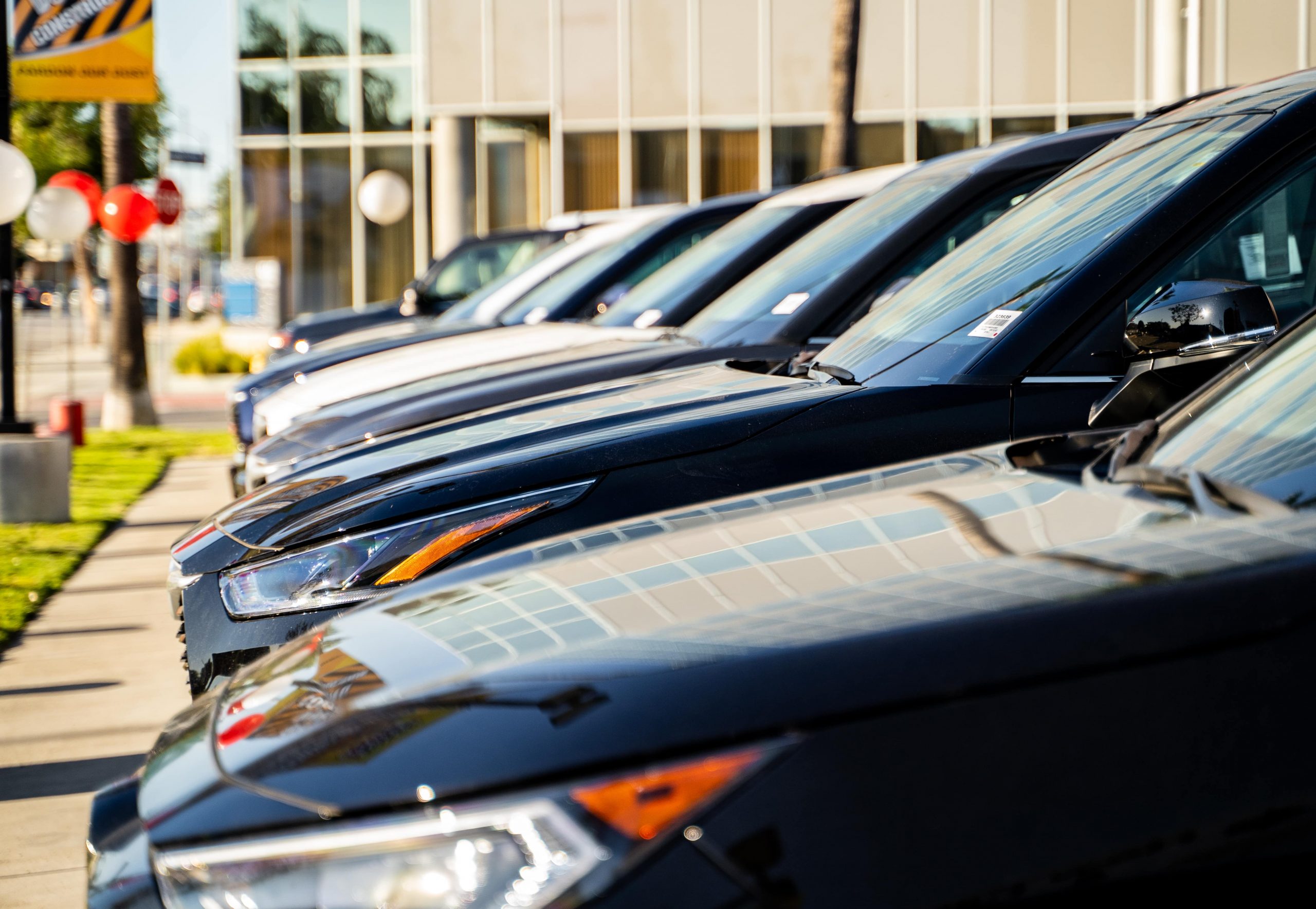
With the wide variety of vehicles on the market today, starting the car-buying process may be thrilling and intimidating. Knowing the various automobile models and their characteristics is essential, regardless of whether you want to purchase a new or used car. The goal of this automobile buying guide is to assist you in successfully navigating the challenges of choosing the ideal vehicle for your requirements, haggling with dealers, and obtaining finance.
What Are the Different Types of Vehicles to Buy?
What is a Sedan and Its Benefits?
A sedan is a popular type of car characterized by its three-box configuration, which includes the engine, passenger, and cargo areas. Sedans typically have four doors and offer ample seating for five passengers, making them a practical choice for families and commuters.
One of the primary benefits of owning a sedan is its fuel efficiency, which often exceeds that of larger vehicles like SUVs and pickup trucks. Additionally, sedans provide a smoother driving experience on paved roads, making them ideal for daily commutes. Brands like Toyota and BMW offer a range of sedans with advanced safety features and modern technology, enhancing the overall driving experience.
Choosing Between SUVs and Pickup Trucks
The decision between SUVs and pickup trucks largely depends on your lifestyle and driving needs. SUVs, or sport utility vehicles, are designed for versatility. They usually offer a higher seating position, spacious interiors, and increased cargo capacity, making them suitable for family outings and off-road adventures.
Conversely, pickup trucks prioritize utility and performance, particularly in transporting heavy loads or navigating rugged terrains. If you often require a vehicle for towing or hauling, a pickup truck might be the right choice. However, an SUV could be more beneficial if comfort and passenger capacity are your primary concerns.
It’s essential to consider each type’s specifications and pros and cons before deciding. Test-driving both options will give you a clearer understanding of which vehicle aligns with your needs.
Are Hatchbacks a Good Option for Buyers?
Hatchbacks are another popular vehicle choice for their compact size and versatile cargo space. They typically feature a rear door that swings upward, allowing for easier access to the cargo area.
Hatchbacks present an attractive option for buyers seeking a car that combines the benefits of a sedan with additional utility. They often boast fuel efficiency similar to sedans, offering greater flexibility when transporting larger items.
Many buyers appreciate the practicality of hatchbacks, especially in urban settings where parking space is limited. Brands like Honda and Volkswagen manufacture hatchbacks that cater to various preferences and budgets, making it easier for car buyers to find a model that fits their lifestyle.
How to Buy a New Car: A Step-by-Step Guide
What to Look for When Buying a New Vehicle?
When buying a new vehicle, it is essential to assess your needs and preferences thoroughly. Start by determining the type of car you want based on factors such as seating capacity, fuel efficiency, and the vehicle’s intended use.
Research different brands and models, focusing on their specifications, features, and pricing. Accessing online platforms like Carfax can provide valuable insights into the vehicle’s history, reliability, and consumer reviews, aiding in your decision-making process. Additionally, visiting multiple dealerships to compare offers and obtain quotes is prudent. This research phase will help you make an informed decision and ensure you get the best deal possible.
How to Negotiate the Price with a Dealer?
Negotiating the price with a dealer can be daunting, but you can secure a favorable deal on your new vehicle with the right approach. Begin by doing your homework; familiarize yourself with the market pricing for the car you want to buy.
Armed with this knowledge, engage with the salesperson confidently. Start your negotiation with a lower offer than your target price, leaving room for discussion. Be prepared to justify your offer with your research, highlighting any discounts or promotional offers you have encountered.
Remember to stay calm and composed throughout the negotiation process; maintaining a friendly yet firm demeanor can help create a positive atmosphere for both parties.
When is the Best Time to Buy a New Car?
The timing of your car purchase can significantly impact the price you pay. Generally, the best time to buy a new car is at the end of the month, quarter, or year when dealerships are eager to meet sales goals and clear out inventory.
Additionally, shopping during holiday sales events or the introduction of new models can yield substantial discounts. Keep an eye out for seasonal promotions that can further enhance your savings.
By planning your purchase ahead, you can capitalize on these opportunities, ensuring you get a good deal on the car you want.
Buying a Used Car: Tips and Tricks
How to Find Cars That Fit Your Budget?
Finding a used car that fits your budget requires careful planning and research. Begin by establishing a clear budget that considers the purchase price and insurance, maintenance, and potential financing costs.
Utilize online resources and classified ads to find cars within your price range. Pay attention to vehicle history reports, such as those provided by Carfax, which can reveal any previous accidents or issues.
Additionally, consider visiting local dealerships that specialize in used cars; they often have a diverse selection and may offer financing options through credit unions or in-house financing.
What Should You Test Drive Before Buying a Used Car?
Before committing to a used vehicle, performing a thorough test drive is crucial. This process allows you to assess the car’s driving experience and comfort level. Pay close attention to how the vehicle handles, accelerates, and brakes.
Check the comfort of the seats, visibility, and the functionality of features such as air conditioning, audio systems, and navigation. It’s also advisable to test the vehicle on various road types, including highways and off-road conditions if applicable.
A comprehensive test drive ensures you make an informed decision about the suitability of the used car for your needs.
How to Get a Good Deal on a Used Vehicle?
Securing a good deal on a used vehicle often involves negotiation and strategic planning. Start by researching the fair market value of the specific make and model you are interested in. This information can serve as a powerful tool during negotiations.
When you find a car that meets your criteria, don’t hesitate to point out any flaws or necessary repairs to support your offer. Moreover, consider offering a trade-in if you have an old car; this can reduce the overall cost of your new purchase.
Lastly, remain patient and be willing to walk away if the deal doesn’t meet your expectations. A strong negotiation approach can lead to significant savings.
Understanding Financing Options for Your Vehicle Purchase
What Are the Best Financing Options for Car Buyers?
When considering how to finance your vehicle purchase, it’s vital to explore various options available to car buyers. Traditional auto loans from banks or credit unions are popular choices, often providing competitive interest rates and flexible terms. Additionally, many dealerships offer financing plans that can be attractive, especially during promotional periods. It’s worthwhile to compare different financing options and determine which aligns best with your financial situation. Always read the terms and conditions carefully to avoid any hidden fees or unfavorable loan conditions.
How to Save Money on Car Financing?
Saving money on car financing can be achieved through several strategies. First, improving your credit score before applying for a loan can result in lower interest rates, ultimately reducing the total cost of your car loan. Additionally, consider making a larger down payment, as this can decrease the amount borrowed and thus lower monthly payments. Consider exploring leasing options, which often come with lower monthly payments compared to buying. Lastly, be vigilant about researching and comparing offers from multiple lenders to ensure you secure the best financing deal.
Should You Trade In Your Old Car When Buying?
Trading in your old car when purchasing a new or used vehicle can be a beneficial strategy. It immediately reduces the purchase price, making it easier to afford your next car. Before heading to the dealership, research the trade-in value of your old vehicle to ensure you receive a fair offer. Consider obtaining quotes from multiple dealerships to maximize your trade-in value. This approach can help you save money and simplify the buying process, allowing you to focus on finding the right car for your needs.
Conclusion
Making an informed choice when buying a car requires knowing the various car models, the financing procedure, and how to get financing. Being well-informed will enable you to select the ideal vehicle for your needs and budget, regardless of your preference for a sedan, SUV, hatchback, or even a used car. Additionally, you can get the greatest value by haggling with dealers and looking into financing possibilities.
Hyatt Cars of Lexington is a reputable dealership with a large inventory of used cars, if you’re in the Lexington area. Hyatt Cars of Lexington, known for its premium automobiles and first-rate customer support, is committed to assisting you in locating the ideal car for your requirements. Their staff is prepared to help you with the car-buying process and make sure you leave with a vehicle that fulfills your needs and gives excellent value.
Visit Hyatt Cars of Lexington to learn more and view their inventory. Move forward with your car-buying adventure right now and enjoy a hassle-free experience with Hyatt Cars of Lexington!
The Ultimate Guide to Buying a Used Car

New cars keep getting pricier, with an average transaction price of $47,000, which indicates an annual increase of 1.6%. On the other hand, used cars offer a more affordable option, with an average price of about $23,000.
The variety of used cars available can be overwhelming. No need to worry, though — we’re here to guide you through the buying process and help you make the best choice.
By keeping these essential tips in mind before heading to a dealership, you’ll be well-equipped to find the car that fits your needs and budget.
Here’s What You Should Keep in Mind When Shopping for a Used Car
Buying a used car is a great way to save money while also enjoying the comfort and ease of having your vehicle. Here’s a straightforward guide to help you through the process with confidence. Go bag the best deal on your next used car!
Determine Your Budget
A good rule of thumb for your used car budget is to keep your monthly payment around 10% of your take-home salary. Of course, this will depend on your other expenses, so feel free to adjust accordingly.
Paying in cash is the ideal option, but financing is more common. Research loan rates at your bank, online banks, or credit unions. Dealerships also offer financing, sometimes with special deals on certified pre-owned vehicles. Knowing your credit score gives you a better idea of the rates you may be eligible for.
Remember, the car payment is just one part of the equation. Don’t forget to include insurance, maintenance, and fuel costs in your budget. It’s advisable to keep your total car expenses, including payments, insurance, and fuel, under 20% of your monthly income.
Identify Your Needs
The next step in buying a used car is to take your daily life and needs into consideration. If you have a family, a compact car might not cut it, and a huge SUV might be too much for solo trips.
Consider how far you drive each day, the weather you deal with, and how many passengers you’ll typically have. Don’t forget to factor in your parking situation—whether you have space at home for a large vehicle or need something that fits into tight spots. If you need extra cargo space or towing power, add that to your list too.
Look for Reliable Models
Now it’s time to explore your options online. Remember that not all used cars are created equal. Some models have better reliability records than others.
Use resources like Consumer Reports, Car Ratings, and online reviews to research the best-used cars. Look for cars with a reputation for longevity, reliability, and low maintenance costs.
Websites like U.S. News let you filter by body type and give you a clearer picture of what’s out there.
This helps you stay within your budget while checking off most (if not all) of the features you need. You’ll get a sense of what model years and mileage fit your financial plan.
Make sure to research certified pre-owned (CPO) cars from dealerships. These vehicles have been thoroughly inspected and reconditioned to meet strict manufacturer standards. While they may cost a bit more than regular used cars, the added reassurance of their quality and condition can make them worth the extra investment.
Check Vehicle History Reports
Ask sellers for vehicle identification numbers (VINs) and request detailed history reports from trusted online sources.. These reports reveal essential details, such as past accidents and ownership history.
Most drivers in the U.S. put on about 15,000 miles annually, so take note of the car’s mileage relative to its age. A higher mileage usually means a lower price, but it can also indicate more wear. Look closely at the maintenance and repair history for those higher-mileage vehicles.
Inspect and Test Drive a Used Car
Once you’ve narrowed it down to a couple of cars that fit your criteria, it’s time to schedule a test drive. Take this chance to inspect the car inside out. Ask about the features and ensure they match your expectations.
Check the tires for wear, and look for any dents or scratches on the body. Lift the hood and check the battery for signs of corrosion—this could indicate neglect. Inspect the interior for wear, especially the covering, gear shifter, and controls.
If you’re dealing with a private seller, find out if they’re the original owner.
Here’s a checklist to keep in mind:
| Inspection | Test Drive |
| ● Exterior and interior damage | ● Acceleration and braking responsiveness |
| ● Tire condition | ● Engine noise and vibrations |
| ● Fluid leaks | ● Steering and alignment |
| ● Brake performance | ● Air conditioning and heating functionality |
| ● Rust or corrosion | ● Visibility and comfort |
| ● Working electronics |
If you’re not confident in assessing the vehicle, consider hiring a mechanic for a professional inspection.
Negotiate the Price
Most used car prices are negotiable, so don’t hesitate to negotiate with the seller. Use market pricing tools to determine a fair price range.
If the deal doesn’t meet your expectations, walk away. There’s always another opportunity, so take your time and stick to what’s important to you.
Secure Financing
Securing financing is often necessary unless you’re paying with cash. Here’s a breakdown of common options you can opt for:
- Bank Loans: Typically offer competitive rates, especially for good credit. The process may take longer and require more paperwork.
- Credit Unions: Offer lower rates and flexible terms. They focus on customer service and often offer more personalized loans.
- Online Lenders and Dealer Financing: Convenient, but often comes with varied rates.
Before you agree, compare interest rates, loan terms, and total costs to find the best used car.
Seal the Deal
Buying a car is a big deal, so it’s totally normal to have some questions or concerns. Take your time to go over everything — from the price to the paperwork. Don’t be afraid to ask for details or clarification on anything that’s unclear before you make it official.
Here’s a list of the paperwork you should review before you sign anything:
- Title transfer
- Bill of sale
- Odometer disclosure statement
- Warranty documentation (if applicable)
Ensure that all paperwork is legitimate and accurately reflects the agreed-upon terms.
Get Started with
Ready to hit the road? Whether you’ve already found your perfect ride or need some extra help, we are here for you. Reach out to Hyatt Cars of Lexington to buy a used car today!
Buying a Used Car Online: Tips and Tricks
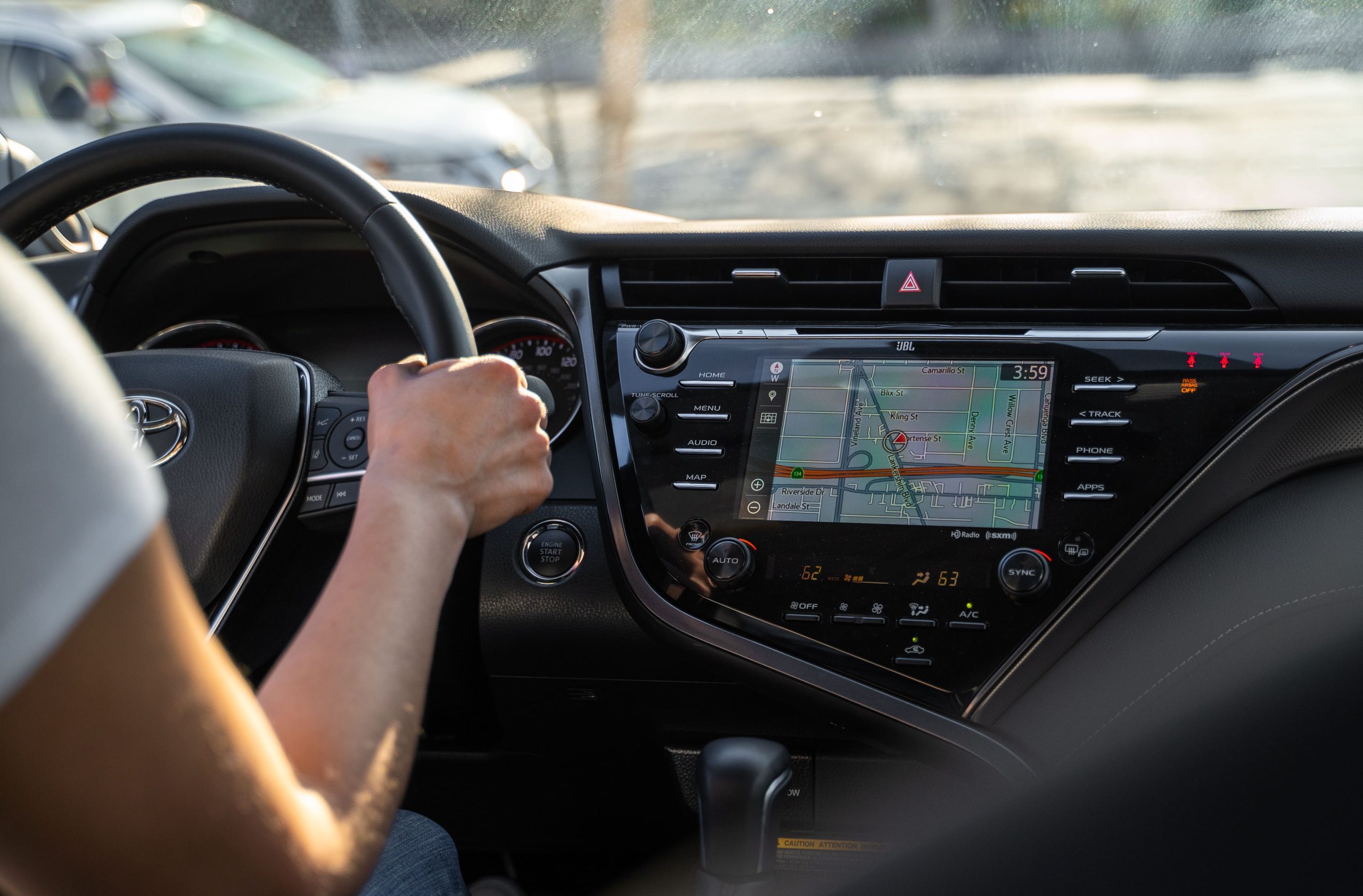
Looking for a well-functioning used car can be quite difficult and time-consuming. A whole day can go by just reviewing all the options available. You will probably need to take a day off from work, bring someone along who knows cars well, and drive across different parts of the city collecting details and jotting them down. You might even end up collecting a stack of cards in your wallet, only to find yourself even more unsure of the best way to buy a used car.
Why not avoid all this hassle by driving in the opposite direction and buying a used car online instead? It is now easier than ever to invest in a high-performing used car loaded with top-notch features from within the comfort of your home. Online sales of used cars in the U.S. are expected to reach 18% of all used car sales by 2025, up from 9.7% in 2020.
By buying online, you can make the whole process significantly easier for yourself – you just need to know the top tips to buy a used car online.
1. Do Your Research
Are you worried about not having enough knowledge before buying a used car online? Don’t fret; a simple Google search can help you understand what the car is worth and understand the specifics of its model, price, and notable features. It will help you negotiate the best price for the used car.
2. Know Your Budget
Know exactly how much you’re willing to spend, and don’t go too far beyond it. It is important to have a list of requirements and a reasonable budget before you buy a used car online. You can also make a list of features you would be willing to compromise on to make the overall process easier.
According to financial experts, your used car payment shouldn’t be over 10% of your monthly income. You may pay more or less, depending on your budget. Please keep in mind that the car payment isn’t all there is to consider; you will also be spending on monthly fuel and maintenance, so budget accordingly.
The good news is that pre-owned vehicles are cheaper to purchase and insure. They also lose value much slower than new vehicles, which depreciate from the moment they’re driven out of the lot, losing up to 33% after 3 years.
3. Run a VIN Check
Here’s one thing you absolutely don’t want to skip: running a VIN (Vehicle Identification Number) check. This will help you see if the used car has been in any accidents, how many owners it’s had, and if it has any major issues. A quick report can alert you to hidden problems, saving you from purchasing a vehicle that would be more trouble than it’s worth.
A VIN check is a small investment that can prevent costly surprises down the road and provide you with peace of mind, knowing you’re well aware of what you’re buying.
4. Inspect the Car
You might be buying a used car online, but be sure to thoroughly look at what you’re buying! Message the car dealership to ask for high-quality images of the car from different angles and request detailed descriptions as well as specifications. You can also request a third party, like your mechanic, to inspect the car before you put your money into it.
5. Choose a Reputable Seller
Just as we stick to popular brands because of their quality and service, reputable car dealerships also have a story of credibility to maintain. You wouldn’t want to buy a dress from an unknown designer for an important event; similarly, it’s best to opt for trusted dealerships for a big investment like a car.
Ask friends and family if they’ve purchased a used car online. Collecting reviews and references online will help you pick a reliable car dealership to buy a used car online.
6. Go for a Test Drive Before Purchasing
While online shopping has made the process of buying a used car easier, hands-on experience is still important. While some online retailers do offer return policies, returning a car can be a hassle. Therefore, it’s crucial to take a test drive of any car you’re considering before making the payment.
Additionally, if you’re deciding between different models, a test drive will help you make the best choice.
7. Negotiate the Price
Don’t hesitate to negotiate the best deal for yourself. Haggle over the total payment, not the monthly payment, and remain firm on your budget. If you find the same used car model on different websites and you have a pre-approved deal, ask if they can beat that. Go for the one that is physically and functionally better and priced wisely. Use your research to justify your offer, and be willing to walk away if the deal doesn’t meet your criteria.
8. Contract Satisfaction
Make sure everything is clearly written in the contract before buying a used car online. Be on the lookout for any red flags, like dealers who don’t answer your questions upfront or provide vague responses. There should be no ambiguous clauses, and the contract should include:
- Vehicle details (model, make, year, mileage)
- Price and payment terms (full payment or advance, how will it be paid)
- Condition of the vehicle
- Return and exchange policy
- Taxes and additional fees
- Ownership and title transfer
- Buyer protection clauses
- Signature and dates
9. Secure Your Purchase
Now that you’ve found the perfect dealer and car, let’s discuss how to safeguard yourself during the payment process. Always use secure payment methods offered by the dealer’s platform and avoid any personal bank transfers. Verify the seller’s reputation and avoid unusual payment methods like gift cards or cryptocurrency. Make sure there are no hidden fees before completing the transaction.
Final Thoughts
Now that you have thoroughly reviewed the process of buying a used car online – you’re ready for your new ride!
With careful consideration and inspection, you can easily secure the best deal. Aim for the best car options available within your budget, and trust that with research and patience, you’ll make the right choice for you.
At Hyatt Cars of Lexington, we offer the best quality, high-performing used cars online at reasonable rates. Reach out to us today to buy a used car online. Happy car shopping!
The Advantages of Purchasing a Used Car with Low Mileage
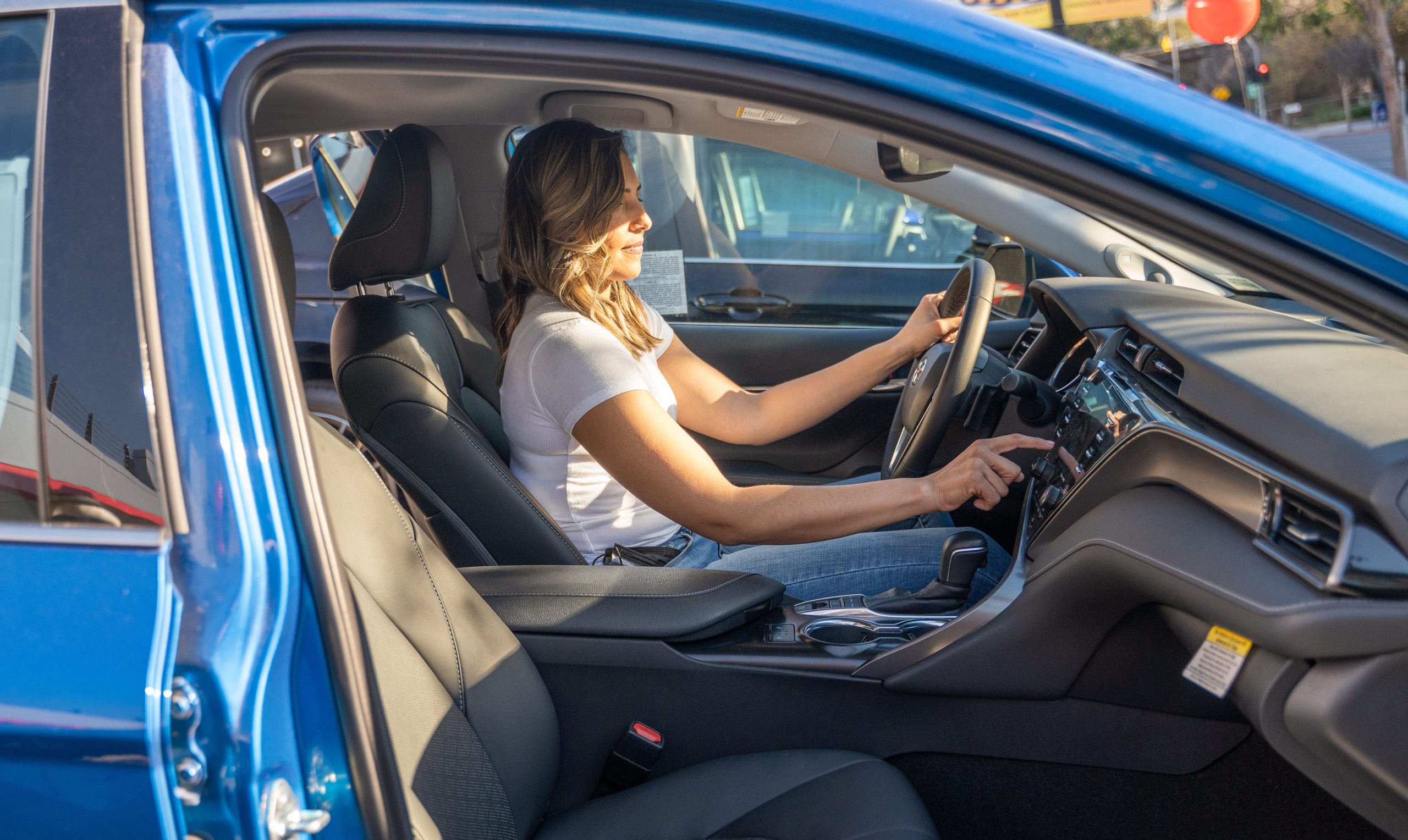
Many car buyers focus solely on new vehicles, overlooking the significant benefits of the used car market. This oversight can lead to missed opportunities for substantial savings and access to vehicles with exceptional value.
Used cars, particularly those with low mileage, offer a compelling alternative to new car purchases. They combine attractive pricing with reduced depreciation and potentially minimal wear and tear. This article explores the distinct advantages of buying a used car with low mileage. We aim to highlight the financial benefits and empower informed decisions in your car-buying journey.
Cost Savings
Buying a used car with low mileage offers significant financial advantages. Used cars, particularly low mileage used cars, provide a more budget-friendly entry point for car ownership. This allows buyers to access desirable models at a fraction of their original price, maximizing their purchasing power.
In addition to the lower purchase price, low-mileage used cars often come with lower associated costs. Insurance premiums for these vehicles tend to be lower due to their reduced overall value and potentially lower risk profile.
Similarly, registration fees for used cars are typically lower than those for new cars. These combined savings contribute to the overall financial appeal of buying a used car with low mileage.
Better Condition
Low-mileage used cars often are in superior physical condition compared to their high-mileage counterparts. Fewer miles driven generally translate to less wear and tear on the vehicle’s components. This results in a car that is more likely to be in good condition, both mechanically and cosmetically.
Good condition, low-mileage used cars have better performance and longevity. Engine components, transmission systems, and suspension parts experience less stress with lower mileage, contributing to smoother operation and reduced likelihood of mechanical issues. This translates to a more reliable and enjoyable driving experience, minimizing the need for immediate repairs or replacements.
Furthermore, low-mileage used cars often boast well-maintained interiors and exteriors. Upholstery, carpets, and dashboard components show less wear, while the exterior paint and body panels retain their original luster. This pristine condition enhances the aesthetic appeal of the vehicle and contributes to a more satisfying ownership experience.
The combination of financial benefits and superior condition makes low-mileage used cars a compelling option for discerning buyers seeking quality and value.
Extended Longevity
As mentioned above, reduced mileage translates to less wear and tear on the engine, transmission, and other critical components. This preservation of mechanical integrity can result in a longer lifespan for the vehicle, allowing owners to enjoy their car for an extended period.
As low mileage used cars experience less engine wear and mechanical strain, engine components, such as pistons, valves, and bearings, operate with less friction and heat buildup when the car has lower mileage. This reduced strain contributes to improved engine health and longevity, minimizing the likelihood of premature failures or costly repairs.
Additionally, low mileage can contribute to better fuel efficiency. Engine components operate more efficiently when they haven’t endured excessive wear. This translates to optimized fuel consumption and potential cost savings at the pump.
While fuel efficiency can vary depending on driving habits and other factors, low-mileage used cars generally offer the potential for improved fuel economy compared to their high-mileage counterparts.
Lower Maintenance Costs
Low-mileage used cars often translate to lower maintenance costs. Reduced wear and tear minimize the need for frequent repairs and part replacements. This translates to fewer visits to the mechanic and lower overall maintenance expenses.
Components like brakes, suspension systems, and exhaust systems experience less stress with lower mileage. This reduces the likelihood of premature wear and the need for costly replacements. Consequently, low-mileage used cars offer the potential for significant savings on major repair expenses.
Routine maintenance, such as oil changes, filter replacements, and tire rotations, also contribute to ongoing car ownership costs. However, low-mileage used cars often require these services less frequently. This translates to cost savings on routine maintenance procedures, further enhancing the financial benefits of buying a used car with low mileage.
Lastly, low-mileage used cars offer the advantage of having fewer issues related to aging components. Parts like belts, hoses, and seals are less likely to deteriorate or fail prematurely when the car has lower mileage. This reduces the risk of unexpected breakdowns and costly repairs associated with aging components, contributing to the overall reliability and cost-effectiveness of low-mileage used cars.
Higher Resale Value
Low-mileage used cars usually command higher resale values compared to their high-mileage counterparts. Mileage serves as a key indicator of a car’s overall wear and tear. Cars with lower mileage generally exhibit less depreciation, retaining a greater percentage of their original value over time. This translates to a higher resale value when the time comes to sell or trade in the vehicle.
Furthermore, a higher resale value provides greater flexibility when upgrading to a newer vehicle. The higher trade-in value of a low-mileage used car reduces the out-of-pocket expense when purchasing a new car. This allows buyers to upgrade more frequently or access higher-end models without a significant financial burden.
Additionally, low mileage appeals to potential future buyers. Many buyers actively seek low-mileage used cars, perceiving them as more reliable and potentially less prone to mechanical issues. This desirability increases demand, further contributing to the higher resale value of low-mileage used cars. Examples of models known for retaining value include the Toyota Tacoma, Honda Civic, and Subaru Outback.
Conclusion
Buying a used car with low mileage presents a compelling opportunity for smart buyers. These vehicles offer a unique combination of financial benefits, superior condition, and extended longevity. Lower purchase prices, reduced depreciation, and potential savings on insurance premiums contribute to the financial appeal.
At Hyatt Cars of Lexington, we specialize in offering top-quality pre-owned vehicles that have been well-maintained and come with low mileage for added value. Buying a used car with low mileage means fewer maintenance costs and a longer lifespan, making it a smart investment.
Visit us today to explore our wide selection of low-mileage cars and find the perfect one for your needs! Contact us now, or stop by to test drive your future car!
How to Spot a Good Used Car Dealership
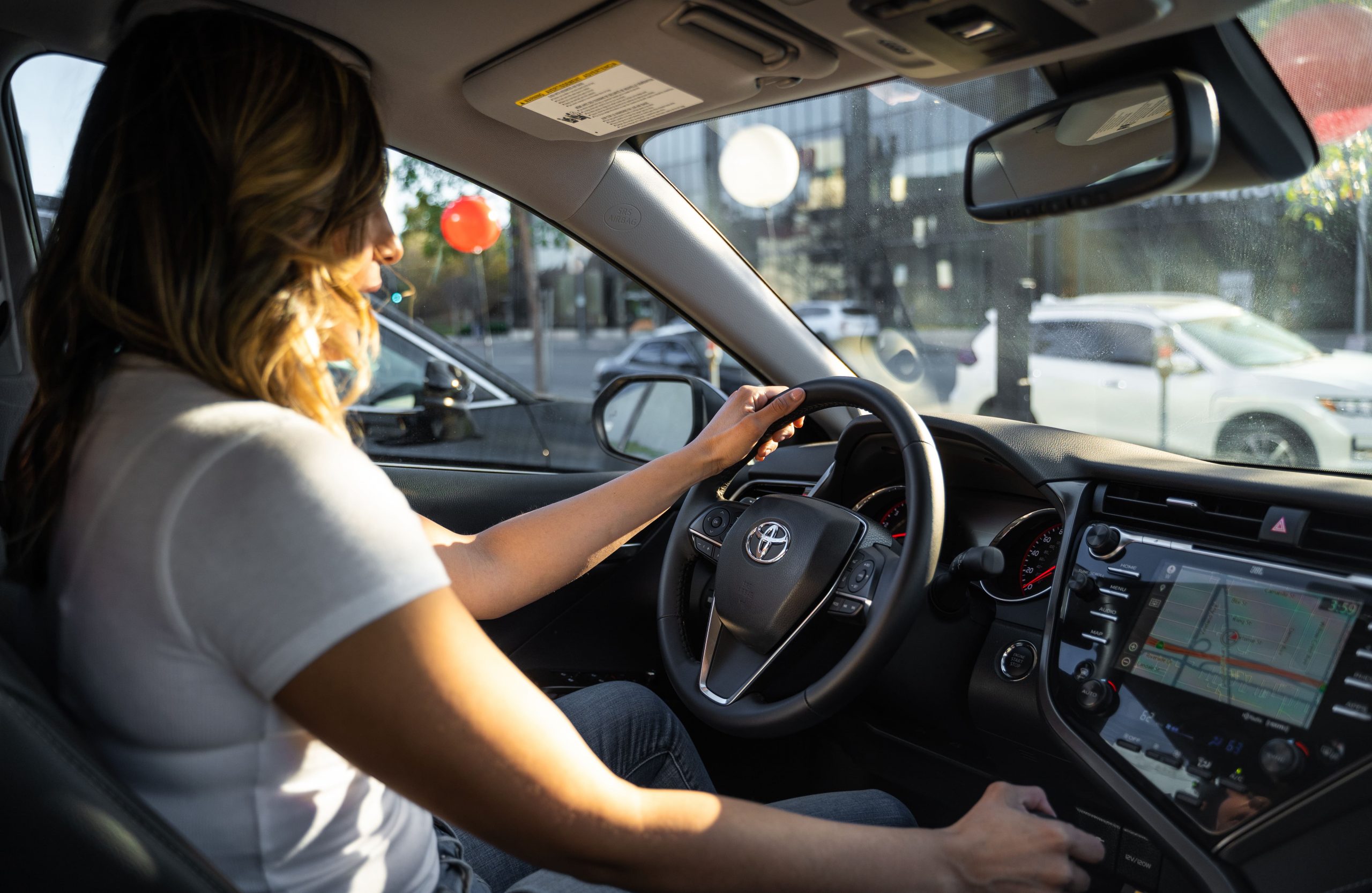
Have you ever felt a bit overwhelmed walking onto a used car lot? Well, with so many dealerships out there in the market, finding a place that’s reputable, trustworthy, and stocked with quality cars can be a real challenge. Not every dealership is created equal, and when you’re investing in a car, you want to be sure you’re making the right choice. So, how do you spot a good used car dealership? Let’s dive into a few essential steps to ensure you get the best car-buying experience possible.
Check Online Reviews and Ratings
Think about it—how often do you rely on online reviews before choosing a restaurant, booking a hotel, or even watching a movie? The same goes for selecting a used car dealership. Start with Google, Yelp, and other review platforms to see what past customers are saying. Pay attention to the overall rating, but also dive into specific reviews. Look for mentions of customer service, the quality of vehicles, and how issues were resolved. While no dealership will have a perfect rating, avoid places with consistent complaints about shady practices, hidden fees, or poor customer service.
Look for a Wide Selection of Vehicles
A good used car dealership should have various options to suit different budgets, preferences, and needs. Think of it as shopping at a well-stocked store: more options mean you’re more likely to find what you’re really looking for. On the other hand, a wide selection also suggests that the dealership is doing well and catering to a diverse group of customers. If a dealership only has a handful of cars, especially if they’re all the same make or model, it might be a sign to look elsewhere.
Observe the Condition of the Vehicles
When visiting a used car dealership, take a close look at the vehicles on the lot. Are they clean and well-maintained, or do they look a bit run-down? The physical condition of the cars can reveal a lot about the dealership. A reputable dealership will ensure that all cars, even the older ones, are presentable and in good condition. Look out for rust, dents, or signs of poor maintenance. Dealers who care about quality will make sure their vehicles are in top shape before putting them up for sale.
Ask for the Vehicle History Report
A good used car dealership won’t hesitate to provide a vehicle history report for any car you’re interested in. These reports provide details on any past accidents, ownership history, and mileage accuracy. Why is this so important? Because a clear history report gives you peace of mind, knowing that the car hasn’t been in any major accidents or had serious issues that could affect its longevity.
Consider Their Financing Options
Financing can often make or break a car deal. Check if your chosen used car dealership offers flexible financing options to suit various credit scores. Ask yourself: are they transparent about the interest rates and terms? A trustworthy dealership will clearly outline your financing options without any hidden fees or surprise charges. Many reputable dealerships work with banks or credit unions to offer competitive rates, making it easier for you to get a fair deal on financing your used car.
Look for Certifications and Warranties
One of the hallmarks of a reliable used car dealership is their willingness to stand by the quality of their cars. Look for certified pre-owned vehicles, which come with manufacturer-backed inspections and warranties. Not sure what this means? Certified pre-owned (CPO) cars have undergone rigorous inspections and usually include limited warranties, giving you extra peace of mind. A reputable car dealership will also offer their own vehicle warranties, showing confidence in the cars they sell.
Evaluate Their Customer Service
Have you ever walked into a store and felt immediately welcomed? That’s how a good used car dealership should make you feel. Friendly, helpful, and knowledgeable staff members can make a world of difference in your car-buying experience. Are they answering your questions thoroughly, or are they brushing you off? Are they genuinely interested in helping you, or are they pushing you towards higher-priced options? Customer service is a big indicator of a dealership’s integrity.
Test the Transparency of Pricing
Transparent pricing is a must when it comes to buying a used car. Reputable dealerships typically have their prices listed and avoid tacking on unnecessary fees. Ask questions if a dealership’s pricing seems too good to be true. Why is this car priced so low? They should be upfront about the price, taxes, and any additional fees. A trustworthy dealership will break down all costs and ensure you’re fully aware of what you’re actually paying for, helping you avoid any unpleasant surprises.
Take a Look at Their Online Presence
A good dealership usually maintains a professional and informative online presence. Why is this important? A well-designed website with information about inventory, services, and testimonials is a good indicator of commitment to customer satisfaction. Social media activity and responsiveness to comments can also give insight into how they engage with customers. Dealerships that are active online and respond to inquiries quickly are often the ones that prioritize customer experience.
Ask About Post-Sale Support
Finally, ask the dealership about their post-sale support. What happens if you encounter an issue with your car a few months later? Reputable dealerships offer post-sale services such as maintenance or repair assistance to help you after the purchase. They might have service centers or partnerships with local mechanics to make post-purchase upkeep easy for you. Knowing that the dealership will support you even after you’ve driven off the lot adds confidence.
In conclusion, finding the right used car dealership takes time, but ensuring you drive away in a reliable car is worth it. By following these steps above, you’ll be well-prepared to spot a trustworthy dealership genuinely invested in your satisfaction. For those in South Carolina, Hyatt Cars of Lexington is a fantastic option. We offer an exceptional selection of pre-owned cars and prides itself on quality and transparency. Visit us today and find the car you’ve been dreaming of.
How to Get the Best Price When Negotiating at a Used Car Dealership

Have you ever stepped into a used car dealership and felt like you were about to enter a high-stakes negotiation? There’s excitement in the air—you’re looking for your next set of wheels—but there’s also the looming thought of, “Am I about to get a good deal, or am I going to overpay?”
The good news is that you don’t need to be a pro negotiator to walk out with a great deal. With a few smart strategies, you can get the car you want and stick to your budget.
Let’s break down how to negotiate the best price at a used car dealership. With some preparation and the right approach, you’ll be driving off the lot with confidence. Ready to dive in?
Do Your Homework Before You Go
Preparation is the key to successful negotiation, and that starts with research. You don’t need to become a car expert, but it helps to gather as much information as possible on the car you’re interested in. Start by looking up the market value of the car’s make, model, year, and condition.
Sites like Kelley Blue Book or Edmunds give you a fair idea of what the car should cost. Check local listings, too, as car prices vary depending on location. By arming yourself with this information, you’ll know if the dealer is offering you a reasonable price or trying to sell you at a markup.
Look at reviews for the specific dealership you’re visiting. See what others have said about their buying experience. Are they known for offering good deals, or do they have a reputation for playing hardball? It’s better to know what to expect before you walk through the door.
Timing Can Work in Your Favor
Did you know that the timing of your visit can impact the price you pay? Dealers often have monthly, quarterly, or yearly sales targets and may be more willing to negotiate if they’re trying to hit those goals.
The end of the month, quarter, or year is a prime time to strike a deal because salespeople are eager to close deals to meet their quotas. Additionally, visiting during off-peak times, such as weekdays or inclement weather, can work in your favor since fewer buyers means more attention from sales staff.
Be Ready to Walk Away
One of the most powerful tools in any negotiation is the willingness to walk away. Dealerships know that if you’re emotionally attached to a car, you’re more likely to give in to their price demands. But if you can show that you’re not afraid to leave, you maintain control of the conversation.
The simple act of walking away from a deal can prompt the dealer to lower their offer. And if they don’t? That’s fine, too! There are plenty of other cars and dealerships out there.
Start Low but Not Ridiculously Low
When making your initial offer, aim to start lower than what you’re willing to pay but keep it within a reasonable range. If you lowball too much, the dealer may not take you seriously, and the conversation could stall.
A good rule of thumb is to offer about 10-15% below the asking price, depending on how much room you have, based on your research. This gives the dealer room to counteroffer; from there, you can work up to a mutually agreeable price.
Know the Extras – And Negotiate Them
A car’s sticker price is just the beginning. Additional costs include taxes, dealer fees, registration fees, and warranties. These costs can add up quickly and increase the price of the car. It’s essential to get a clear breakdown of these charges and determine if they are negotiable.
Dealers may try to tack on extras you don’t need, such as extended warranties, window tinting, or fabric protection. If you don’t want these, let them know upfront.
While some fees, like taxes, are non-negotiable, others can be reduced or removed entirely. Dealer preparation fees, for example, are often marked up. Question these fees, and if they can’t justify them, ask for them to be lowered or waived.
Keep Your Emotions in Check
Dealerships are designed to create an emotional experience, with shiny cars, persuasive salespeople, and sometimes even offers that expire quickly. But you need to get a hold of your emotions here. Staying calm and collected allows you to negotiate more effectively.
If you feel pressured or overwhelmed, take a moment to step back or walk outside to clear your head. It’s okay to say, “I need a moment to think this over.” Step outside, call a friend, or simply take a breather. This shows the dealer that you’re not in a rush and won’t be pressured into a decision.
Use the Power of Silence
It may sound strange, but sometimes saying nothing can be a powerful negotiation tool. After you’ve made your offer, resist the urge to fill the silence.
Salespeople are trained to keep the conversation going, but if you remain quiet, it forces them to respond to your offer. The longer the silence, the more uncomfortable it becomes for the dealer, and they may be more willing to meet your price to move the conversation forward.
Final Thoughts
Negotiating the best price at a used car dealership doesn’t have to be stressful or intimidating. By doing your research, timing your visit, staying calm, and being willing to walk away, you can confidently negotiate a deal that works for you.
Remember, dealerships are used to negotiating, and they expect it, so don’t be afraid to ask for what you want. Whether it’s a lower price or a few added perks, the key is to stay informed, be polite but firm, and never feel rushed into a decision.
Are you looking for a reliable dealership to test these strategies? Visit Hyatt Cars of Lexington. With a wide selection of quality used cars, they are ready to help you find the perfect fit. It’s the ideal place to find a good car without haggling.
Now that you’ve got these tips, you’re ready to walk into the dealership confidently—and walk out with a great deal.
What to Expect When Shopping at a Used Car Dealership

Stepping into a used car dealership can feel like entering a maze—full of potential treasures and possible pitfalls. Are you ready to decode the secrets behind each car’s shiny exterior and find a gem that fits your budget and dreams?
Whether it’s your first or fifth time at a dealership, knowing what to expect can transform confusion into clarity. Let’s unravel the mystery together and steer you towards a purchase you’ll be proud to drive home.
First Impressions Matter
Your first step into a used car dealership sets the stage for your shopping experience. From the greeting at the door to the cars you proudly displayed, every detail matters. Let’s see how these elements hint at what’s in store for you:
1. The Initial Visit: What to Expect
As you walk into the dealership, the layout greets you first. Is it organized and inviting, or does it feel cluttered and overwhelming? A well-arranged lot with clear signage directs you effortlessly to various car types, signaling a dealership that values customer experience.
2. Observing the Staff Behavior
Next, turn your attention to the dealership staff. Are they approachable and eager to assist, or do they seem disinterested and distant? Their demeanor can significantly influence your decision-making process.
A friendly salesperson who respects your space and answers your questions patiently indicates a customer-centric approach, making you feel valued and respected.
3. Evaluating the Displayed Vehicles
Finally, scrutinize the vehicles themselves. How are they presented? Clean, well-maintained cars and visible, detailed information tags speak volumes about the dealership’s standards. This attention to detail shows a commitment to quality and transparency, which is crucial for building trust with potential buyers.
The Art of Negotiation
Navigating the negotiation maze at a used car dealership can feel like a high-stakes chess game. Each move matters, and knowing the rules can give you a winning edge. Learn the essentials of effective bargaining—your next car shouldn’t break the bank:
1. Mastering Dealer Tactics
You ever noticed how dealers often start with a higher price? It’s a classic tactic. They expect you to bargain, so starting your offer lower than what you’re willing to pay gives you wiggle room. Remember, every price tag is just an opening bid in this game.
2. Engage in the Dance of Negotiation
While discussing prices, maintain a friendly yet firm demeanor. Share a laugh over something off-topic to lighten the mood—like joking about needing a new car to survive another family road trip! This human touch can make the negotiation process less tense and more productive.
3. Financial Prep: Your Best Tool
Before you even set foot in the dealership, know your budget and stick to it. Pre-approval for a car loan can also strengthen your negotiating position, showing you’re serious and ready to deal. Plus, it keeps you from falling in love with a car that’s just out of reach financially.
Inspection and Test Drive: The Deal Breakers
Think of the inspection and test drive as your detective phase—every clue matters and could lead to a breakthrough or a deal breaker. Ready to play detective? Here’s what to check for a smooth ride ahead:
1. Decoding the Inspection Checklist
During the inspection, start with the basics. Check the exterior for scratches, dents, and rust. These can be signs of deeper problems or past accidents. Next, open the hood—how does the engine look? Oil residue or a dusty engine can signal neglect.
2. The Tell-Tale Interior
Sniff for any odors—mold or smoke could hide in plain sight. Test every button, from windows to wipers, and don’t forget the air conditioning! A non-functional AC in a nearly new car? That’s a red flag right there.
3. Diving Underneath
Now, peek underneath. Fluid leaks, rusty undercarriage, or welded parts can spell trouble. These might indicate previous accidents or poor maintenance, key factors that could turn your new dream into a costly nightmare.
4. Taking the Wheel
On to the test drive! First, does the car start smoothly, or does it hesitate? Listen for unusual noises during the drive—clicks, ticks, or grinding sounds can be alarming. Test the brakes in a safe area. If they squeal or feel spongy, it’s a red flag.
5. Feeling the Ride
How does the car handle bumps and turns? A shaky ride can indicate suspension issues. Also, keep an eye on the dashboard for any warning lights that pop on. If something feels off, trust your gut—it might save you from future headaches.
Financing the Purchase
Securing the right financing can make or break your car-buying experience. Whether you go through the dealership or seek outside help, understanding your options is critical to getting the best deal possible. Here’s how you can finance your used car without increasing unnecessary costs:
1. Financing Options at Dealerships
Most used car dealerships offer in-house financing. It’s convenient, fast, and lets you roll everything—car price, taxes, and fees—into one monthly payment.
However, convenience often comes with higher interest rates. Dealerships sometimes mark up financing rates to make extra profit. While going this route is tempting, don’t sign until you’ve shopped around.
2. Dealership Financing vs. Bank Loans
Bank loans tend to offer better interest rates compared to dealership financing. But you might need a stellar credit score to qualify for the best rates.
On the flip side, dealership financing often works with customers with lower credit scores. If your credit history isn’t shining, dealership options can seem like the safer bet, but it could cost you more in the long run.
3. Getting the Best Deal
Pre-approval from your bank or credit union is a smart move to secure the best financing. This gives you an upper hand during negotiations and prevents you from getting locked into a bad deal at the dealership. It’s like showing up to a full buffet—you won’t be tempted to bite off more than you can chew.
Your Journey to a Wise Purchase
Congratulations on reaching the end of our guide! By now, you should feel more like a savvy shopper than a hesitant browser in the vast world of used cars. Remember, the right dealership makes all the difference in your car-buying experience. Why not put your new knowledge to the test at Hyatt Cars of Lexington?
They’re known for their integrity and exceptional service. Drive over or click through to their website and discover how enjoyable finding your next car can be. Ready to find your perfect match on four wheels?
The Impact of Financing Options on Your Decision to Buy a Used or New Car
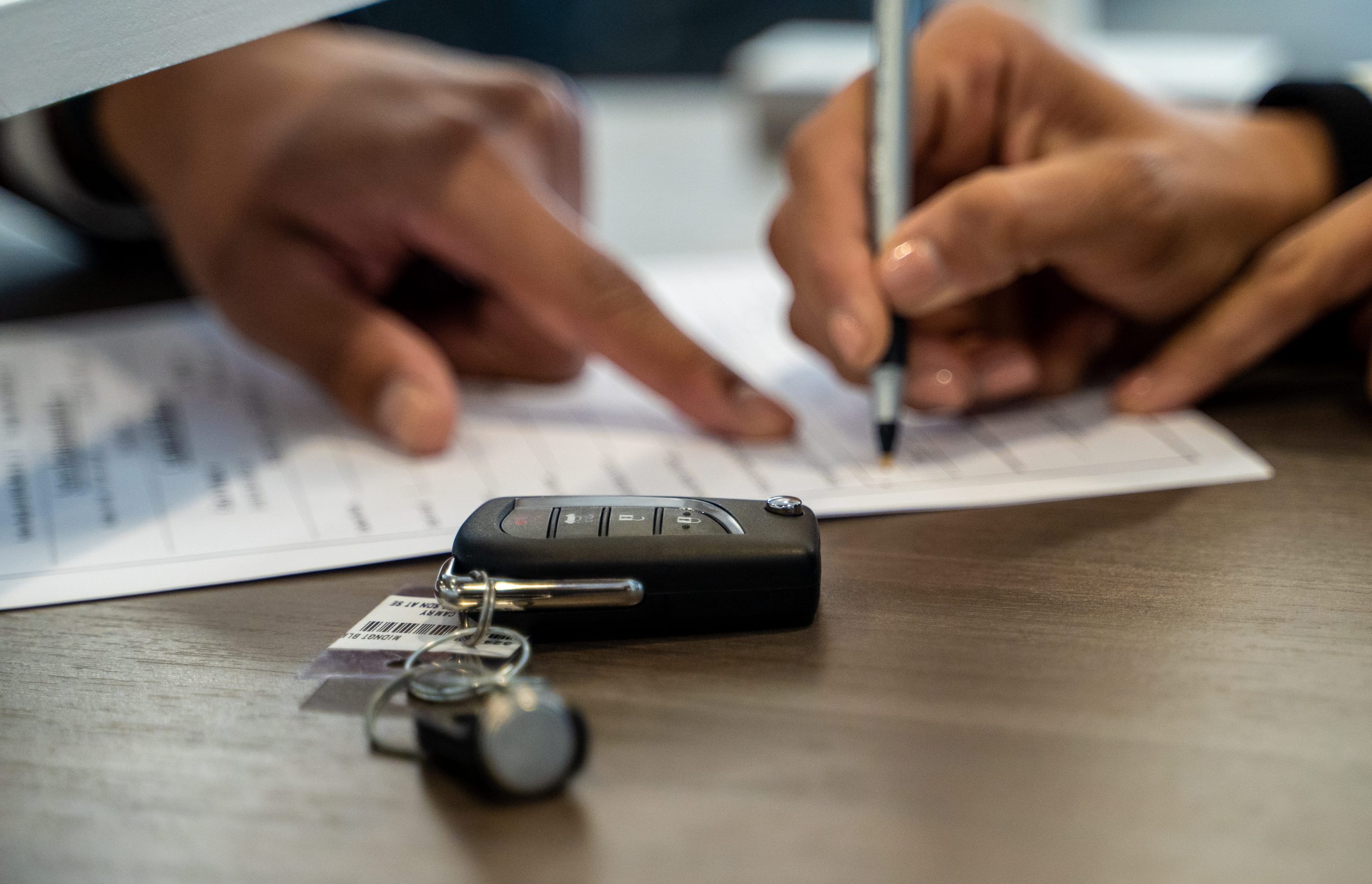
One of the most important factors to consider when buying a car is how you will finance it. The availability and terms of financing options can significantly impact whether you buy a new or used vehicle. With various financing methods available, including traditional loans, leasing, and special dealership offers, it’s essential to understand how each option affects your overall cost, monthly payments, and long-term financial commitment.
This article explores the impact of financing options on your car-buying decision and offers guidance on making the best choice for your situation.
Traditional Car Loans
A traditional car loan is one of the most common financing options for new and used cars. In this arrangement, a lender provides the funds to purchase the vehicle, and you agree to repay the loan amount, plus interest, over a set period. The loan terms, including the interest rate, duration, and monthly payments, are determined based on your credit score, down payment, and the car’s value.
New Car Loans: New car loans typically come with lower interest rates than used ones. New cars have a higher resale value and are less risky for lenders. Additionally, new car loans often offer longer repayment terms, which can result in lower monthly payments. However, the total cost of the loan can be higher due to the higher price of new vehicles and the potential for significant depreciation.
Used Car Loans: Financing a used car involves higher interest rates because used cars are considered riskier investments due to their lower resale value and potential for mechanical issues. However, the lower purchase price of a used car can offset the higher interest rates, leading to lower overall loan amounts and monthly payments. When choosing this type of loan, it’s crucial to thoroughly evaluate the condition and maintenance history of the used car.
Leasing a Car
Leasing is an alternative to buying that has become increasingly popular. When you lease a car, you’re essentially renting it for a set period, typically ranging from two to four years. During this time, you make monthly payments based on the vehicle’s expected depreciation over the lease term. At the end of the lease, you can either return the car, buy it for a predetermined price, or lease a new vehicle.
Leasing New Cars: Leasing is most commonly associated with new cars. One of the main advantages of leasing is that it often results in lower monthly payments than buying, as you only pay for the car’s depreciation and not its full value. Leasing also allows you to drive a new car every few years, which can be appealing if you enjoy having the latest technology and features. However, leases come with mileage limits and potential penalties for excessive wear and tear, which can add to the cost if not carefully managed.
Leasing Used Cars: While less common, some dealerships offer leases on used cars, particularly certified pre-owned vehicles. These leases can be more affordable than leasing a new car, as the vehicle has already experienced the steepest part of its depreciation. However, it’s crucial to carefully review the terms of a used car lease, as they may include higher maintenance costs and stricter return conditions.
Special Dealership Financing Offers
Many dealerships offer special financing deals, particularly on new cars. These include low or zero percent interest rates, cashback offers, or reduced prices for specific models. Such deals are typically offered in collaboration with the car manufacturer and are designed to attract buyers.
Advantages: Special financing offers can make buying a new car more affordable, reducing the total interest paid over the life of the loan or lowering the vehicle’s purchase price. These deals are particularly beneficial for buyers with excellent credit scores, who are more likely to qualify for the best rates.
Considerations: It’s essential to read the fine print on these offers, as they may come with conditions, such as requiring a large down payment or being limited to certain models. These deals might also be unavailable to all buyers depending on creditworthiness and other factors.
Comparing Financing Costs
When deciding between a new or used car, it’s crucial to compare the total costs of each option, not just the monthly payments. This includes the interest paid over the life of the loan, potential fees, and the overall purchase price. Also, consider the total cost of leasing over the lease term, including any down payments, monthly payments, and end-of-lease charges.
New Cars: Although new cars often come with lower financing rates, the higher purchase price means you may pay more over the loan term. The rapid depreciation of new cars can also impact the overall value of your investment.
Used Cars: While used cars generally have higher financing rates, the lower purchase price can result in a lower total cost. However, potential maintenance and repair costs should be factored into the decision, as older vehicles may require more frequent upkeep.
Your Financial Situation and Goals
Ultimately, choosing between a new and used car and the financing option that best suits you will depend on your financial situation and long-term goals. Consider the following:
Budget: Determine how much you can afford to spend on a car, including the down payment, monthly payments, insurance, and maintenance.
Credit Score: Your credit score will influence your financing options. A higher score can help you secure better interest rates and loan terms.
Ownership Plans: If you plan to keep the car for a long time, buying (new or used) might be more cost-effective. Leasing could be a better fit if you prefer to switch cars frequently.
Usage Needs: Consider how you plan to use the car, including expected mileage and driving conditions. It can impact the cost-effectiveness of leasing versus buying and the type of vehicle that best suits your needs.
Conclusion
The impact of financing options on buying a used or new car is significant and multifaceted. By carefully evaluating the pros and cons of each financing method—whether it’s a traditional loan, leasing, or taking advantage of special dealership offers—you can make an informed decision that aligns with your financial goals and lifestyle. Remember to consider the total cost of ownership, including factors like depreciation, maintenance, and insurance, to ensure that you choose a car that fits your budget and meets your needs.
At Hyatt Cars of Lexington, we understand that financing can play a crucial role in your car-buying decision. Our knowledgeable team is here to guide you through various financing options and tailor a plan that best suits your financial situation. Whether you’re interested in a brand-new model or a reliable pre-owned vehicle, we offer competitive rates and flexible terms to make your purchase as smooth and affordable as possible. Visit us today at Hyatt Cars of Lexington to explore our diverse inventory and discover how our financing solutions can help you drive away in the car of your dreams.
A Guide to Understanding the Warranty on a Used Car
Purchasing a used car can be a fantastic way to save money while still getting a reliable vehicle. However, one important aspect that often gets overlooked in the excitement of buying a car is the warranty.
When buying a used automobile from a company like Hyatt Cars of Lexington, it’s important to comprehend the several warranty options and their coverage. Over time, a used car warranty can save you money by offering insurance against unforeseen repairs and peace of mind.
In 2020, the cost of new cars rose by 21.1% in the United States, as per the most consumer price index (CPI) data released by the Bureau of Labor Statistics. In contrast, used automobile prices increased 31% during that time. Though the prices have fallen steadily since 2021, they are still four times higher than what they used to be in 2019.
Let’s take a look at the types of used car warranties available and the coverage they offer:
Choosing Your Used Car Warranty
Manufacturer’s Warranty
A manufacturer’s warranty covers specific repairs and defects for a predetermined amount of time or mileage. It is normally included in a deal when an automobile is originally sold. Although it might change, this guarantee typically consists of a powertrain warranty as well as a bumper-to-bumper warranty. Let’s take a look at them:
· Bumper-to-Bumper Warranty
This type of warranty covers almost everything in the car except for wear-and-tear items like brakes, tires, and wiper blades. It’s the most comprehensive type of warranty and usually lasts around 3 years or 36,000 miles.
· Powertrain Warranty
This covers the engine, transmission, and other key parts that make the car move. Powertrain warranties generally last longer than bumper-to-bumper warranties, often around 5 years or 60,000 miles.
Certified Pre-Owned (CPO) Warranty
Many manufacturers offer a CPO warranty, which is a popular choice for used car buyers looking for extra peace of mind. A CPO car typically comes with a thorough inspection, which is done by a certified dealer.
· Extended Coverage
Vehicle service contracts, sometimes referred to as extended warranties, are provided by independent companies or dealerships. They go beyond the original warranty in terms of coverage. These warranties offer different coverage levels for various components and may be customized to meet your demands and budget. When buying an extended warranty, make sure to read the print carefully and understand what it does and doesn’t cover.
Dealer Warranty
Some dealerships offer their own warranties on used cars, which can vary widely in terms of coverage and duration. These warranties are often referred to as “limited warranties.”
· Limited Warranty
A limited warranty typically covers a used car for 30 days or 1,000 miles. It is provided by certain used car dealerships. Compared to extended and CPO warranties, this warranty usually covers particular parts, including the engine and transmission, for a limited time. However, a limited warranty does not offer complete coverage and contains more exclusions.
Third-Party Warranty
In addition to manufacturer and dealer warranties, third-party companies offer extended warranties for used cars. These warranties can provide a range of coverage options and are often customizable.
Third-party warranties can be tailored to fit your needs, covering everything from basic powertrain components to comprehensive bumper-to-bumper coverage.
One of the best things about third-party warranties is that they are accepted at repair shops nationwide, giving you flexibility no matter where you are.
Corrosion Warranty
Rust protection, also known as corrosion coverage, is a warranty that guards against rust damage to your car. This coverage can be obtained through third-party warranties, aftermarket rustproofing procedures, and manufacturer warranties.
Depending on the type and model, many new cars have a corrosion warranty provided by the manufacturer. This warranty lasts anywhere from five to twelve years and covers the cost of replacing or repairing rust-damaged vehicle parts.
Coverage Details
It’s important that you understand all of the coverage options provided by a used car warranty. Examine the warranty paperwork thoroughly and enquire about any ambiguous terms or restrictions. Here are a few points to keep in mind:
· Covered Parts: Ensure you know which parts are covered and which are not. Pay particular attention to high-cost components like the engine, transmission, and electronic systems.
· Exclusions: Understand what is excluded from the warranty. Common exclusions include routine maintenance items (oil changes, brake pads), cosmetic issues (paint, upholstery), and pre-existing conditions.
· Repair Costs: Check if there are any deductibles or co-pays required for repairs. Some warranties cover the full cost of repairs, while others may require you to pay a portion.
Pros and Cons of Used Car Warranties
Pros
· Peace of Mind: Warranties ease the financial strain by guaranteeing that unforeseen repair costs will be met.
· Higher Resale Value: Having a transferable warranty can increase the appeal of your vehicle to prospective purchasers.
· Cost Savings: Especially for major parts like the engine or gearbox, warranties might help you avoid paying for pricey repairs.
Cons
· Limited Coverage: Certain warranties may have a large number of exclusions, and not all parts are covered.
· Costs: Service contracts and extended warranties can be pricey, and there might be co-pays or deductibles.
· Complexity: It can be difficult to comprehend a warranty’s terms and conditions, and filing a claim can occasionally be a difficult procedure.
Buying a used car is a big decision that needs to be carefully thought out, especially when it comes to knowing what warranty comes with your car. It is imperative to thoroughly examine the terms, coverage specifics, and potential expenses associated with each warranty type, as they vary. To improve your ownership experience even more, make sure you understand the limitations of the warranty, negotiate conditions, and check the vehicle’s maintenance history. To search for a high-quality used car, visit the Hyatt Cars of Lexington website. They have a huge inventory of used cars in various models. You can even apply for car finance if you cannot pay for the used car outright. For more information, call (803) 356-0760.