
Important Information to Know When Financing a Vehicle – A Quick Guide
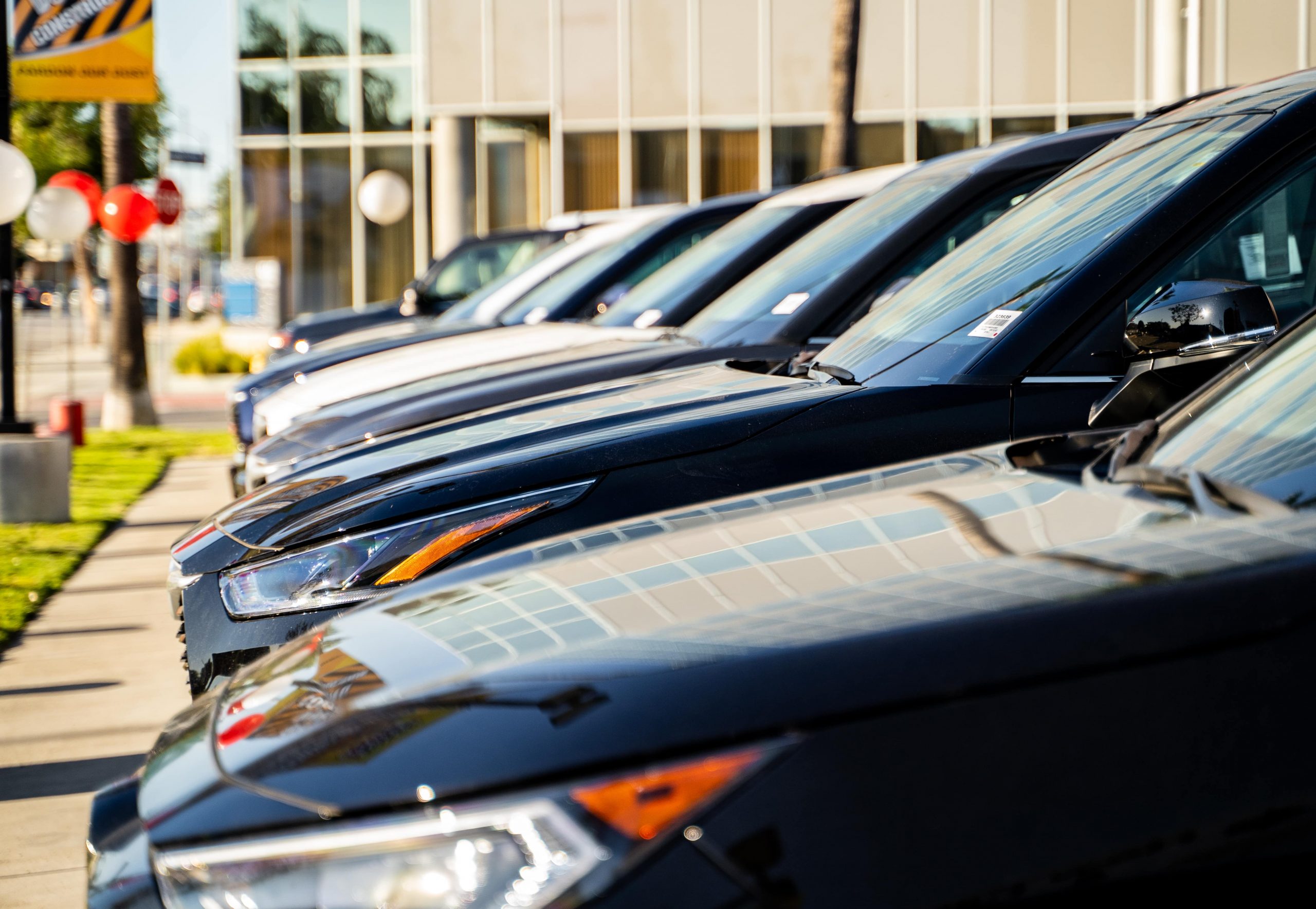
Purchasing the vehicle of your dreams indeed seems exciting, but it is essential to consider financing it first. The most common questions that can come to your mind are: what kind of automobile am I looking for? Brand-new or second-hand? Is the cost reasonable?
Understanding what you’re purchasing is critical, considering the above factors. This article will explain the important things to consider before vehicle financing.
· Affordability Calculator: An Important Tool
When analyzing the expenses associated with financing a vehicle, it is critical to include the costs beyond monthly payments, such as comprehensive insurance premiums, upkeep, repairs, gasoline, tires, services, licenses, traffic tickets, and parking. Utilizing an affordability calculator before purchasing a new automobile or trading in your old one, most finance companies offer helpful online resources. Remember that the affordability calculator should only be used as a reference to determine what finance you are likely to qualify for (it does not know your whole financial situation).
· Importance of Credit Score
While comparing offers from several banks to find the best financing deal is crucial, they all consider the same things and have comparable financing options. A financing institution makes it simpler to conduct business in terms of a smooth and swift transaction, which often determines the outcome of your purchase; credit history, risk profile, loan amount, and past loan repayment are all considered when evaluating each application for car financing. Because of this, your credit history is a significant factor in deciding if you are eligible for a loan.
On the other hand, your interest rates will be more favorable, and there will be less risk to the financing company if your score is higher.
· Signing a Lease for Your Vehicle
A complete lease for maintaining your vehicle is a type of finance where you rent the car for a certain amount of time in return for a monthly payment. This charge includes all expenses for upkeep, such as repairs, tires, oil filters, and wiper blades. You must return the vehicle at the end of the rental period and get a new one. Unlike an installment sale, a complete maintenance lease has smaller monthly installments and no unpleasant residual obligations after the term.
That being said, you never truly own the car, and there are strict mileage restrictions and heavy fines for exceeding them.
· Reference of Monthly Installments and Actual Price Quotations
Many potential car buyers purchase automobiles they cannot afford because dealerships provide great freedom when customizing a financing plan that fits your monthly budget. You get an estimate from a dealership based more on the monthly payments than the car’s actual purchase price. This is because automobile salespersons are aware that, for many consumers, understanding the actual cost of the vehicle throughout the contract is less crucial than being able to make monthly repayments.
It is also essential to remember the original monthly payback amount does not include any maintenance costs, license fees, paperwork fees, etc. Due to these additions, your monthly premium will eventually exceed the initially estimated rate.
· Higher Monthly Repayments
If you choose a fixed interest rate, your payment will remain the same throughout your financing agreement, regardless of changes in the interest rates. It suggests that your payback schedule will stay the same and that you will not be surprised by increased interest rates. If you have linked your interest rate to the minimal lending rate, your monthly repayment will fluctuate in line with changes in interest rates.
You may be protected from unfavorable events by locking in your rate, but you will lose nothing if interest rates decline. A 30-day (monthly) payback terms on fixed rates are often longer than those on linked rates because the financing company bears the risk of any rate fluctuations.
· Importance of Installment Sale Agreement
Regarding car finance, installment sales are the most common type of arrangement; these are the contracts between the potential buyers and the bank that let them own the car while paying back the loan over a certain period. Most vehicle loan companies provide financing durations ranging from 12 to 72 months. Your monthly payments will be reduced over an extended auto loan time, but the total interest you pay will ultimately increase.
Conversely, opting for a shorter loan term could mean higher monthly payments but ultimately less interest expenses. An important thing to remember here is that banks frequently refuse to grant credit for cars older than ten years, except for antique and classic vehicles.
· More Affordability with Balloon Payments
To reduce the monthly cost of an automobile, some dealerships create financing plans that include a leftover amount or balloon payment at the end of the contract. When the car’s value is subtracted from the amount borrowed, a balloon payment is made; this sum, also known as the residual, is then entirely owed at the end of the financing period. Even though your monthly payments are lowered, and the car appears more affordable, you must still pay the required interest amount on the outstanding balance and ensure sufficient funds after the loan to prevent selling it.
Another option would be to refinance the automobile, which would include more upfront payments and trap you in an inescapable circle of debt; balloon payments are arranged this way, and even costly automobiles are accessible to everyone.
· Choosing Between a New Vehicle or a Second-Hand Vehicle
Purchasing a used automobile vs. a new one has pros and cons that depend on your comfort level, sense of security, and willingness to accept risks; the following factors must be taken into account before making a mind about which vehicle to buy:
● Brand-New Vehicles
● Brand-new vehicles are generally expensive.
● For your comfort, they are covered by dealer and manufacturer warranties.
● Most new automobiles come with innovative and technologically advanced features.
● You will be spending less on vehicle maintenance.
● Second-Hand Vehicles
● Second-hand vehicles are affordable compared to brand-new ones.
● It has affordable insurance, but the maintenance expenditures could be higher.
● Saving money for a second-hand vehicle is simpler than purchasing a new one.
● An extensive investigation may be necessary to buy privately to minimize hidden charges or scams.
Finance Your Vehicle Easily with Hyatt Cars of Lexington
Hyatt Cars of Lexington, South Carolina, is renowned for its large selection and commitment to providing top-notch customer care. With access to auctions and exclusive industry sources, Hyatt Cars of Lexington can help customers locate their dream car, considering their credit history (good, bad, or none). The sales team is dedicated to making the purchasing process stress-free, and the finance teams work with many lenders to ensure that consumers obtain the financing they need. The foundation of integrity, decency, and faith meets the needs of its loyal customers by offering the right vehicle at the correct cost!
Final Thoughts
Financing a car can be a thrilling first step toward owning a car, but it is essential to approach the procedure mindfully. You must research the loan agreement, explore financing possibilities, understand your credit score, and create a budget before making any financial decision!
Drive Assured: The Definitive Used Car Warranty
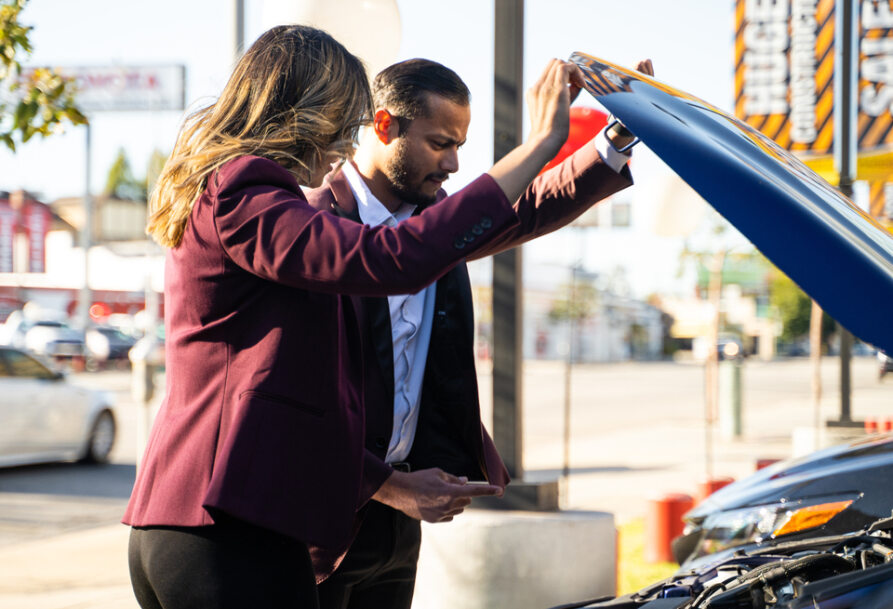
A reliable warranty can significantly reduce future financial and emotional stress when buying a used car. This blog discusses a used car warranty, what it covers, and why it’s beneficial.
Understanding these aspects helps protect your vehicle investment against unexpected repairs and breakdowns, offering you a worry-free driving experience.
Understanding Used Car Warranties
When buying a used car, it’s essential to understand the protection a warranty can provide. A used car warranty helps cover unexpected repair costs, offering peace of mind and protecting your investment.
What is a Used Car Warranty?
A used car warranty is a service agreement that covers the cost of certain repairs and replacements after purchasing a pre-owned vehicle.
Coverage varies depending on the warranty type and provider. The best-used car warranty plans often include repairs for major systems like the engine, transmission, and electrical components.
Types of Used Car Warranties
Understanding the different types of warranties available can guide you in making an informed decision when purchasing a used car. Below is an overview of the prevalent variations:
1. Manufacturer Warranty
Some certified pre-owned vehicles come with a manufacturer-backed warranty extending the original new car coverage.
This type of warranty is highly reliable as it is supported directly by the carmakers, often including comprehensive coverage and access to authorized service centers.
2. Extended Warranty
This additional service contract is purchased separately and takes effect after the original warranty expires. It covers repairs for an extended period, helping to manage costs associated with unexpected mechanical and electrical failures.
3. Third-Party Warranty
Offered by independent warranty providers, these plans provide flexibility and can be customized to suit different needs and budgets.
They provide coverage for vehicles no longer under the manufacturer’s warranty and are often more affordable, though the terms and quality of service can vary widely.
Importance of a Used Car Warranty
Securing the best-used car warranty is a wise decision when buying a used car. A warranty for a used vehicle safeguards you from unexpected repair costs, which can be significant.
Financial Protection
A primary advantage of a used car warranty is financial security. Cars can require costly repairs, and older vehicles are more likely to need them.
A warranty covers these repair expenses, saving you from out-of-pocket costs. Look for a warranty that covers critical components like the engine, transmission, and electrical systems.
Peace of Mind
Owning a car with a warranty provides peace of mind. You won’t need to worry about the possibility of sudden, expensive repairs.
This comfort is essential with used cars, which might not be as reliable as new ones. With a warranty, you’re assured that help is available if something goes wrong.
Increased Resale Value
A used car with a transferable warranty is more attractive to potential buyers. The warranty benefits can be transferred to the new owner if you sell the vehicle. This feature can boost your car’s resale value, making selling at a competitive price easier.
What to Look for in a Used Car Warranty
When buying a used car, selecting the proper warranty is essential. Here’s what to look for to ensure your vehicle is well-protected and retains value.
Understanding Coverage Details
Protecting your vehicle’s most significant parts is vital when shopping for the best-used car warranty. Focus on warranties that cover essential components such as the engine, transmission, and electrical systems.
These are the parts that, if they fail, can be the most costly to repair. A good warranty will help you manage these potential expenses without stress.
Recognizing Exclusions and Limitations
Every warranty has limitations and exclusions, which are essential to understand before purchasing. Standard exclusions include pre-existing conditions—issues present before buying the warranty.
Also, routine maintenance work like oil changes and brake pads are typically not covered. Attention to these details will help you avoid surprises when it’s time for repairs.
The Value of Transferability
A transferable warranty can notably enhance your car’s resale worth. This feature allows you to transfer the remaining warranty to a new owner when you sell the vehicle.
It adds an attractive selling point, as the new owner will appreciate the continued protection and peace of mind, making your car more appealing in a competitive market.
Choosing the Right Warranty Provider
When buying a used car, securing the best-used car warranty can significantly influence your satisfaction and the vehicle’s longevity. This guide will help you make an informed choice by focusing on three key aspects: reputation, customer support, and cost.
Reputation
The reputation of a warranty provider is a fundamental factor. A company that consistently receives positive reviews and vital customer feedback will likely offer reliable service.
Research online reviews and ratings on consumer websites to gauge previous customers’ experiences. Pay attention to comments about how the company handles claims and disputes. Providers that are well-regarded in the industry typically maintain a high standard of service, which can offer you peace of mind.
Customer Support
Adequate customer support is essential in a warranty provider. Ensure that your chosen company has a reputation for being responsive and helpful. This means they should be easily reachable via multiple channels like phone, email, or live chat.
Ask about their average response and resolution times. Good customer support can simplify the claim process and reduce stress if something goes wrong with your vehicle.
Cost vs. Benefit
Evaluating the cost versus the benefits of a warranty plan is crucial. The best-used car warranty isn’t necessarily the cheapest; it’s about getting value for your money. Compare different plans to see what’s covered and what’s not.
Consider deductibles, coverage limits, and whether certain types of repairs are excluded. A slightly more expensive plan might offer comprehensive coverage that could save you money in the long run.
Drive Worry-Free with the Right Warranty
In conclusion, a robust used car warranty can be your best ally against the unforeseen costs associated with pre-owned vehicles. It safeguards your budget and ensures your car remains in excellent running condition.
As you consider your options, focus on warranties that provide comprehensive coverage and come from reputable providers. By doing so, you can confidently drive your vehicle, knowing you’re well-protected.
For personalized advice on selecting the best-used car warranty, visit us at Hyatt Cars of Lexington. Our experts are ready to help you find the warranty that fits your needs and keeps your car running smoothly.
Unlocking the Advantages of Financing Used Cars: Smart Investments

Investing in a car is a significant decision, and choosing used car financing can offer numerous benefits that are often overlooked. While new cars may have their allure, the advantages of used car finance can make it a smarter investment for many consumers.
This comprehensive guide will list the advantages of used car financing, helping you make a more informed decision and potentially saving money in the long run.
1. Cost Savings
One of the most apparent benefits of used car financing is cost savings. Pre-owned cars typically have a lower price tag than their new ones, making them a more affordable option for budget-conscious consumers.
With a lower purchase price, monthly loan payments for a used car are typically more manageable, allowing you to stay within your budget while still driving a reliable vehicle. Additionally, used cars tend to depreciate at a slower rate than new cars, meaning you may lose less money in depreciation over time.
2. More Options
Used car financing allows you to explore a multitude of choices when it comes to makes, models, and features. This means you’re not restricted to only considering the newest models on the market. Instead, you have the freedom to select from a diverse range of vehicles that align with your specific requirements and personal preferences.
Whether you prioritize fuel efficiency for your daily commute, require ample space for your expanding family, or desire the sleekness of a sporty sedan, the used car market caters to all these needs. With used car financing, you can find the perfect vehicle that suits your lifestyle without breaking the bank.
Buying a used car often offers a better value proposition than purchasing a brand-new one, allowing you to get more bang for your buck.
3. Lower Insurance Costs
Insurance costs for pre-owned vehicles are typically less expensive compared to brand-new cars. Since used cars have already gone through depreciation, they are considered less risky to insure, resulting in lower costs for coverage. This can be a significant factor in offsetting other expenses associated with owning a vehicle.
By choosing to finance a used car, individuals can save on the upfront cost of purchasing a new car and enjoy long-term savings from reduced insurance premiums. This makes it an attractive choice for those looking for cost-effective options in car ownership.
4. Reduced Depreciation
Used car financing is a smart choice for individuals who want to avoid the hefty depreciation that new cars experience during the initial years. By opting for a pre-owned vehicle, you can bypass the sharpest decline in value and safeguard a larger portion of your investment.
Consequently, when the time comes to sell or trade-in your car, the chances of being underwater on your loan are significantly reduced. This financial advantage gives you more flexibility and control over your vehicle ownership experience.
Additionally, used car financing often offers competitive interest rates, making it an affordable option for budget-conscious buyers. With the right financing plan, you can find yourself behind the wheel of a reliable and cost-effective used car in no time.
5. Certified Pre-Owned Programs
Many manufacturers also provide CPO (Certified Pre-Owned) programs for used cars. These programs come with a range of benefits that can give you extra peace of mind.
In addition to thorough inspections and extended warranties, CPO vehicles often come with special financing offers and lower interest rates. This means that not only are you getting a reliable and well-inspected vehicle, but you’re also getting a great deal on the financing side.
These perks make CPO vehicles an attractive option for buyers who want added value and assurance when purchasing a used car. So, if you’re looking for a used car with financing options, don’t overlook the benefits of certified pre-owned programs.
6. Flexibility
When it comes to used car financing, there are countless options that offer a level of flexibility that is hard to find elsewhere. From different loan terms to varying down payment requirements, you have the ability to customize your loan to fit your specific needs.
One of the biggest advantages of used car financing is that lenders are often more open to working with individuals who may not have a perfect credit history. This means that even if your credit isn’t spotless, you still have a chance to secure the financing you need for your dream car.
With so many possibilities at your fingertips, you can take control of your financial situation and make a decision that aligns perfectly with your goals and preferences. So whether you’re looking for a short-term loan with a low down payment or a longer-term option with more flexible repayment terms, used car financing has you covered.
7. Environmental Benefits
By opting for a used car, you are making a smart financial decision and contributing to a greener planet. The environmental benefits of choosing a pre-owned vehicle go beyond just reducing emissions.
When you purchase a used car, you extend its lifespan and prevent it from ending up in a landfill prematurely. This helps conserve valuable resources and reduces the need for new vehicle production, saving energy and reducing pollution.
Additionally, buying used also means less demand for the manufacturing of new cars, which requires extensive use of raw materials and energy-intensive processes. So, by going for a used car, you are actively participating in sustainable practices and positively impacting our environment.
Wrapping Up
Used car financing offers numerous advantages, from cost savings and lower insurance premiums to a wider selection of vehicles and reduced depreciation. By unlocking the benefits of used car finance, you can make a smart investment that meets your transportation needs while staying within your budget.
Whether you’re in the market for a reliable daily driver or a budget-friendly option, considering used car financing can open up a world of possibilities and help you achieve your automotive goals. For more information about used car financing and general used car buying tips, visit Hyatt Cars of Lexington today!
Opting for a Pre-Owned Vehicle: A Smarter Choice for Budget-Minded Buyers
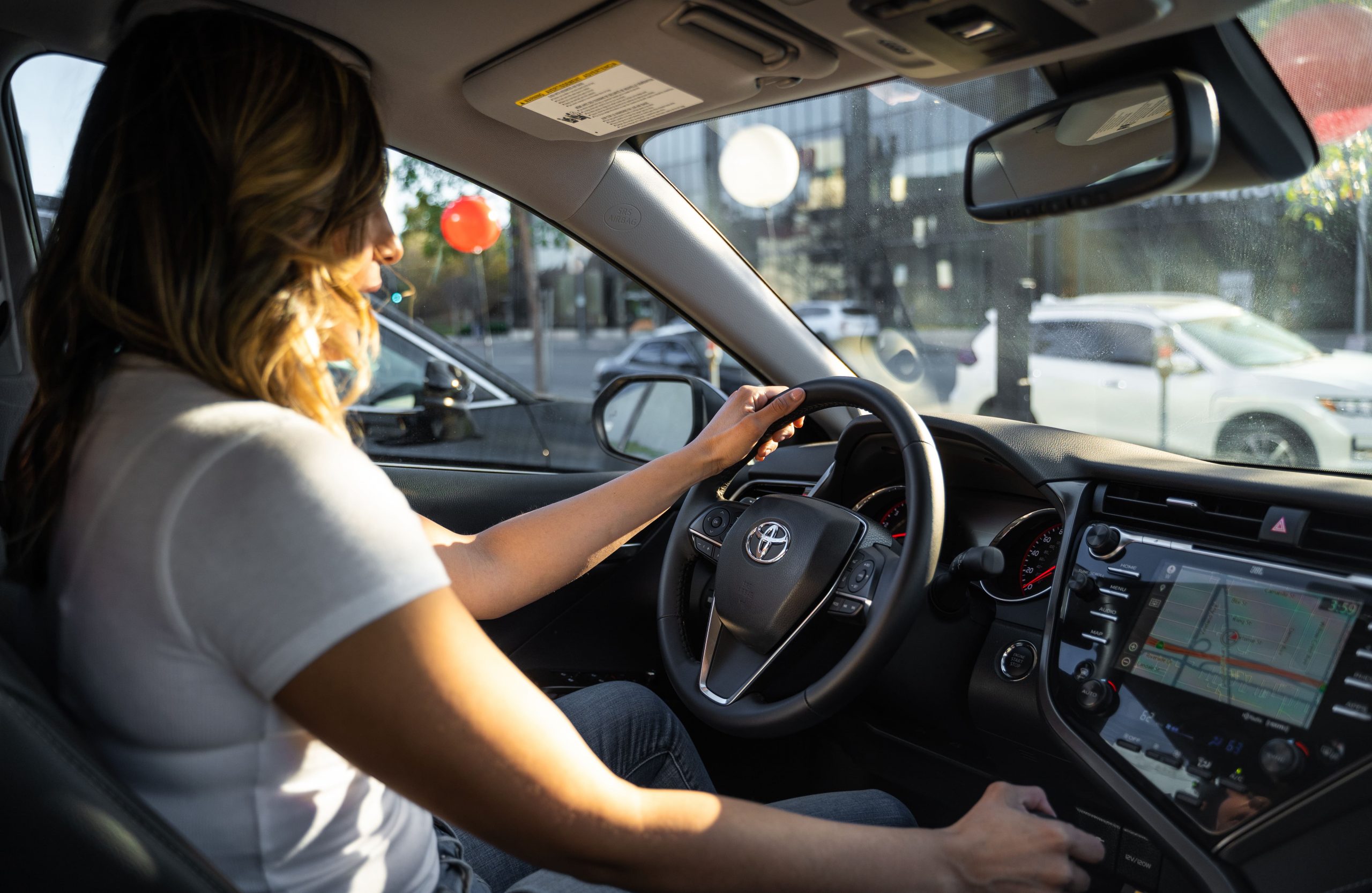
Buying a used car is often considered a wise financial decision for those watching their budget. It offers the opportunity to save money while still getting a reliable mode of transportation.
With new cars depreciating quickly, opting for a used vehicle can be a wise choice that spares your wallet. This blog explains why purchasing a used vehicle can benefit budget-conscious buyers, breaking down the financial and practical advantages.
Financial Benefits of Buying Used
When considering the purchase of a vehicle, opting for a used car can present significant financial advantages. This choice is particularly beneficial for buyers aiming to maximize their budget without compromising quality or features.
Here, we’ll discuss three key financial benefits of buying a used car: upfront savings, avoiding immediate depreciation, and lower financing costs.
1. Upfront Savings
The most immediate benefit of buying a used car is the substantial savings on the purchase price. New vehicles can be considerably more expensive than their used counterparts.
When purchasing a used car, buyers can often find a vehicle that’s only a few years old at a fraction of the cost of a new one. This price difference allows buyers to save money or get a higher-spec model for the same price they would have paid for an essential new car.
2. Avoiding Immediate Depreciation
New cars lose value rapidly within the first few years after purchase, with a significant portion of depreciation occurring when the vehicle is driven off the dealership lot. In contrast, used cars have already undergone this initial depreciation, meaning they depreciate slowly.
Buyers of used vehicles avoid the steep decline in value that new car owners face, preserving more of their vehicle’s value relative to the purchase price over time.
3. Lower Financing Costs
The lower purchase price of used cars also translates into smaller loans for buyers who finance their purchases. Smaller loans typically come with lower monthly payments and could qualify for better financing rates, making buying a car more manageable.
This aspect particularly appeals to budget-conscious buyers looking to minimize their financial commitment while still acquiring a reliable vehicle.
Depreciation and Value Retention
Discover the financial wisdom of buying a used car: enjoy slower depreciation and exceptional value for money, making it an astute choice for budget-conscious buyers seeking quality and affordability.Top of Form
1. Slower Depreciation Rate
When buying a used car, one of the most significant advantages is its slower depreciation rate. New cars lose value quickly, substantially dropping when they leave the dealership. However, used cars depreciate at a much slower pace.
This slower depreciation means purchasing a used car can be a wiser financial decision in the long run, as the vehicle retains more value over time than a new one.
2. Value for Money
Purchasing a used car also offers exceptional value for money. Buyers often find that they can afford a higher-spec model with more features and better performance when they opt for a used vehicle, all for the price of an essential new car.
This opportunity allows budget-conscious buyers to enjoy the benefits of a more luxurious or better-equipped vehicle without stretching their finances.
Buying a used car means making an intelligent choice that balances cost with the desire for a higher quality and better-equipped vehicle.
Insurance and Registration Fees
When buying a used car, one of the significant financial advantages is the potential for reduced insurance costs and lower registration fees.
1. Reduced Insurance Costs
The value of a car is a crucial factor that insurance companies consider when setting premiums. As a used car generally costs less than a new one, the cost to insure it is often lower.
This reduction in premiums can lead to considerable savings over time, making purchasing a used car an intelligent choice for budget-conscious buyers.
2. Lower Registration Fees
In addition to insurance savings, used car buyers can benefit from lower registration fees. Many areas have a fee structure that decreases with the car’s age, meaning the older the vehicle, the less you may have to pay to register it. This is another way purchasing a used car can be more economical.
Reliability and Warranties
Buying a used car offers significant advantages, including enhanced reliability due to modern manufacturing and the potential of transferable warranties, providing extra security and peace of mind for budget-conscious buyers.
Top of Form
1. Modern Vehicle Reliability
When buying a used car, a standout advantage is the notably improved reliability of contemporary vehicles. Thanks to advancements in engineering, more durable materials, and cutting-edge technology, cars today are built to last much longer and require less maintenance.
This progress means that used cars now offer unprecedented dependability, providing buyers with confidence in the reliability of their purchase.
2. Transferable Warranties
Another critical benefit when purchasing a used car is the potential for transferable warranties. Many vehicles are sold with warranties that can be transferred to subsequent owners, offering an added layer of financial protection.
If you purchase a used car still covered by its original warranty, you will benefit from the same coverage as the initial owner at no additional expense.
This advantage significantly enhances the value of buying a used car, reassuring buyers about their investment and reducing concerns over future repair costs.
Top of Form
Making the Smart Choice: Why Used Cars Win
In summary, choosing a used car can bring significant benefits, from cost savings on the purchase price, insurance, and registration fees to enjoying a slower rate of depreciation.
Plus, the wide variety of options available in the used market means you can find a vehicle that fits your needs and preferences without breaking the bank. The used car market offers many opportunities for those looking to make an intelligent, budget-friendly car purchase.
Ready to find your perfect used car at a great price? Visit Hyatt Cars of Lexington today. Our amiable team is here to assist you in choosing a vehicle that aligns with both your requirements and financial considerations. Join the many satisfied customers who’ve found their ideal car with us.
Exploring Contrasts Between a Used Car Dealer and a Private Owner

Buying a used car is a significant decision that comes with many considerations. The choice between purchasing from a used car dealer and a private owner can impact the overall buying experience, cost, and satisfaction with the vehicle.
Understanding the key differences between these two options is essential for making an informed decision that suits your needs and budget.
This guide aims to provide clear and straightforward insights into what sets dealers and private sellers apart, helping you make the best choice for your next car purchase.
Understanding Used Car Dealers
When buying a used car, choosing where to purchase from is one of your first decisions. A popular option is going through a used car dealer.
This brief guide aims to shed light on what you can expect when buying from a used car dealer, helping you make an informed decision on a car purchase.
What Is a Used Car Dealer?
A used car dealer is a business that specializes in selling pre-owned vehicles. These dealers can range from small, independent lots to large franchises associated with major automotive brands. They offer a wide selection of vehicles, from economy cars to luxury models, and often provide services such as financing options and warranties.
Advantages of Buying from a Dealer
Buying from a dealer offers warranties, diverse financing options, trade-in opportunities, legal protections, and after-sales services, ensuring a secure and convenient purchase process for used cars.
1. Warranty and Guarantee Options
One significant benefit of buying from a dealer is the possibility of receiving a warranty or guarantee on your purchase. This can offer peace of mind, covering you for certain repairs and issues arising after buying the car.
2. Financing Options
Dealers typically have relationships with banks and finance companies, allowing them to offer various financing options to suit different credit profiles. This can make the car purchase process smoother if you borrow money.
3. Trade-In Opportunities
If you have a vehicle to sell, dealers often accept trade-ins, reducing the hassle of selling your old car privately. This can also lower the overall cost of your next vehicle.
4. Legal Protections
Purchasing from a dealer provides certain consumer protections that private sales do not. Dealers must comply with state and federal regulations related to sales practices and vehicle conditions.
5. After-Sales Services
Many dealers offer after-sales services, such as maintenance and repair facilities. This can be convenient, ensuring your vehicle is cared for by professionals familiar with your car.
Disadvantages of Buying from a Dealer
Buying from a dealer can mean higher prices, potential upselling, and an impersonal experience, but warranties, financing, and consumer protections balance it.
1. Higher Prices
Due to overhead costs, such as property leases and staff salaries, dealers often price their vehicles higher than private sellers. However, the added cost can be justified by the benefits and protections they offer.
2. Upselling and Additional Fees
Dealers may try to upsell additional products, such as extended warranties or accessories. Be mindful of your budget and needs to avoid unnecessary expenses.
3. Impersonal Buying Experience
The buying experience at dealers can sometimes feel impersonal, with a focus on sales targets rather than individual customer needs. It’s essential to find a dealer who values customer satisfaction.
Understanding Private Owners in the Used Car Market
When buying a used car, choosing between a used car dealer and a private owner is a significant decision. This section focuses on what it means to buy a vehicle from a private owner, highlighting the benefits and drawbacks to help you make an informed car purchase.
What Does Buying from a Private Owner Mean?
Purchasing a car from a private owner involves a direct transaction between you and the individual selling the car. Unlike dealers, private sellers are not in the business of selling cars regularly. This setup can offer a more personal buying experience and often directly provides the buyer with detailed information about the car’s history from the owner.
Advantages of Buying from a Private Owner
Buying from a private owner can lead to lower prices, a detailed history of the car, a personal buying experience, and direct negotiations, offering potential savings and transparency.
1. Lower Prices
One of the main attractions of buying from a private owner is the potential for lower prices. Without the overhead costs of a dealership, private sellers can often afford to sell their cars for less.
2. Detailed Car History
Private sellers can provide firsthand accounts of the car’s history, maintenance, and issues. This information can be invaluable in assessing the car’s condition.
3. A More Personal Buying Experience
Dealing directly with the owner allows for a personal connection, making it easier to ask questions and get honest answers about the car’s condition and history.
Disadvantages of Buying from a Private Owner
Buying from a private owner may offer lower prices, but it comes with risks like no warranty, limited legal protections, the need for independent financing, and potential undisclosed issues.
1. No Warranty
Private sales usually come “as is,” meaning you won’t get a warranty. You are responsible for the repairs if something goes wrong after the purchase.
2. Independent Financing
If you need a loan to purchase the car, you must arrange it yourself. Banks and credit unions often have stricter requirements for loans on private car sales.
3. Risk of Undisclosed Issues
While private sellers can offer detailed histories, there’s also a risk of undisclosed problems. It’s essential to have the car inspected by a professional before finalizing the purchase.
Choosing Wisely for Your Next Vehicle Investment
Choosing between a used car dealer and a private owner depends on what you value most in your car-buying experience. Dealers offer warranties, diverse financing options, and many vehicles, often at higher prices.
Private sellers can provide lower prices and direct negotiation opportunities with less buyer protection. Consider the factors most important to you, such as price, safety, and purchasing security.
If you’re looking for a reputable dealer that combines reliability with excellent customer service, check out Hyatt Cars of Lexington for your next vehicle.
Advantages of Choosing a Pre-Owned Car Dealership
The decision to purchase a vehicle is a significant milestone, and one of the key considerations is whether to buy new or used. While new cars often attract attention with their shiny exteriors and the allure of the latest features, opting for a used car dealership can be a smart and financially sound choice.
This comprehensive guide will explore the top reasons to buy from a used car dealership. From cost savings to a diverse selection of models, these dealerships offer a range of benefits that can make your car-buying journey practical and enjoyable.
1. Cost Savings:
Perhaps the most compelling reason to buy from a used car dealership is the substantial cost savings compared to purchasing a brand-new vehicle. New cars typically experience significant depreciation within the first few years of ownership, making used cars a more budget-friendly option.
By choosing a used car dealership, you can enjoy a reliable and well-maintained vehicle without the hefty price tag associated with new cars.
2. Depreciation Advantage:
One of the key advantages of buying from a used car dealership is the depreciation factor. Unlike new cars, which lose a large portion of their value in the first few years, used cars have already experienced a significant reduction in value. This means that when you purchase a used car from a used car dealership, you avoid the steepest part of the depreciation curve.
Furthermore, as the car gets older, the depreciation rate tends to slow down, offering better long-term value for your investment. So not only do you get a lower initial price when buying used, but you also benefit from slower depreciation over time.
3. Diverse Selection:
A used car dealership typically offers a diverse and extensive selection of vehicles. Whether you’re looking for a compact sedan, a spacious SUV, or a fuel-efficient hybrid, used car dealerships cater to various preferences and needs. This diversity allows buyers to explore various makes, models, and years, increasing the likelihood of finding the perfect vehicle that aligns with their requirements.
META TITLE Top 10 Reasons to Buy from a Used Car Dealership
META DESCRIPTION Are you looking to purchase a new car and save money in the process? If so, here are a few reasons why buying a car from a used car dealership is the best option!
URL /benefits-of-buying-used-cars
KEYWORDS Used Car Dealership
4. Vehicle History Reports:
When shopping for a used car, it’s important to have access to the vehicle’s history report. Reputable dealerships understand this and often provide comprehensive reports for their inventory. These reports are a valuable tool for buyers, as they offer insights into the car’s past.
From accidents to title issues and even odometer discrepancies, all the information is there for buyers to review and make informed decisions. By offering these reports, dealerships ensure transparency and give buyers peace of mind during purchasing.
5. Certified Pre-Owned (CPO) Programs:
Certified Pre-Owned (CPO) programs have become increasingly popular among used car dealerships. These programs go beyond the standard inspection process and adhere to specific criteria established by the manufacturer. By participating in a CPO program, buyers can rest assured that they are getting a thoroughly inspected and certified vehicle.
Another advantage of purchasing a CPO vehicle is its extended warranty, providing buyers with added peace of mind. With these programs, buyers can enjoy the benefits of owning a reliable and high-quality used car without worrying about potential hidden issues.
6. Lower Insurance Costs:
Insurance rates are typically based on a vehicle’s value. That said, since used cars have a lower market value compared to new ones, the insurance premiums are generally more affordable. This can be especially beneficial for budget-conscious buyers looking to save money on both the purchase price and ongoing expenses.
By opting for a reputable used car dealership, you can enjoy not only the cost-effectiveness of the vehicle itself but also the financial advantage of lower insurance premiums. It’s a win-win situation that allows you to get behind the wheel of a reliable car without breaking the bank.
7. Flexible Financing Options:
Flexible financing options are a key advantage of purchasing from used car dealerships. These dealerships understand that not everyone has the same financial circumstances, which is why they offer a variety of financing solutions.
Whether you have a stellar credit score or are still building it up, these dealerships will work with you to find a financing option that fits your needs. This flexibility ensures that more people can access quality used cars, regardless of their budget or credit score.
8. Professional Inspection and Maintenance:
Professional inspection and maintenance is a crucial aspect of reputable used car dealerships. It goes beyond simply listing vehicles for sale; it involves thoroughly evaluating the vehicle’s condition and performance. This meticulous process aims to ensure that the cars meet high-quality standards, giving buyers peace of mind.
By investing in professional inspections, dealerships demonstrate their commitment to providing reliable, well-maintained used cars. This attention to detail sets them apart from less reputable sellers and gives buyers confidence in their purchase decisions.
9. Established Reputation and Trustworthiness:
When it comes to buying a used car, reputation and trustworthiness are key factors to consider. An established used car dealership has built a solid reputation for being trustworthy and providing excellent customer satisfaction. Prospective buyers can do their due diligence by researching the dealership’s track record and reading reviews from previous customers.
An established reputation in the market signifies a commitment to ethical business practices and a dedication to providing top-notch customer-centric services.
10. Availability of Extended Warranties:
Many reputable used car dealerships also offer extended warranty options to further enhance their customers’ peace of mind. These extended warranties go beyond the standard warranty period and can cover specific components or systems, offering buyers added protection against unforeseen repair expenses.
With an extended warranty, car buyers can feel more confident in their purchase, knowing they have additional coverage in case of unexpected issues. This provides financial security and lets car owners enjoy their vehicles without worrying about expensive repairs.
Wrapping Up
Choosing to buy from a used car dealership offers a range of benefits that extend beyond cost savings. The advantages are tenfold, from a diverse selection of vehicles and detailed vehicle history reports to lower insurance costs and professional inspections. Whether you’re a budget-conscious buyer or seeking a specific make and model, a reputable used car dealership can be your gateway to a reliable and satisfying vehicle purchase. By understanding and embracing these reasons, you can confidently embark on your journey to find the perfect used car that meets your needs and fits your budget.
For more information related to used cars and tips for purchasing a vehicle from a used car dealership, visit Hyatt Cars of Lexington today!