
How Much Should You Spend on a Used Car? Budgeting to Buy a Used Car You Can Afford
Choosing how much to spend on a used car is one of the most important decisions for first-time car buyers and returning car buyers alike. A realistic budget, a clear financing plan, and an understanding of ownership costs will help you avoid common pitfalls. This beginner’s guide will walk you through how much you can afford, financing options, and the additional costs every car buyer should plan for.
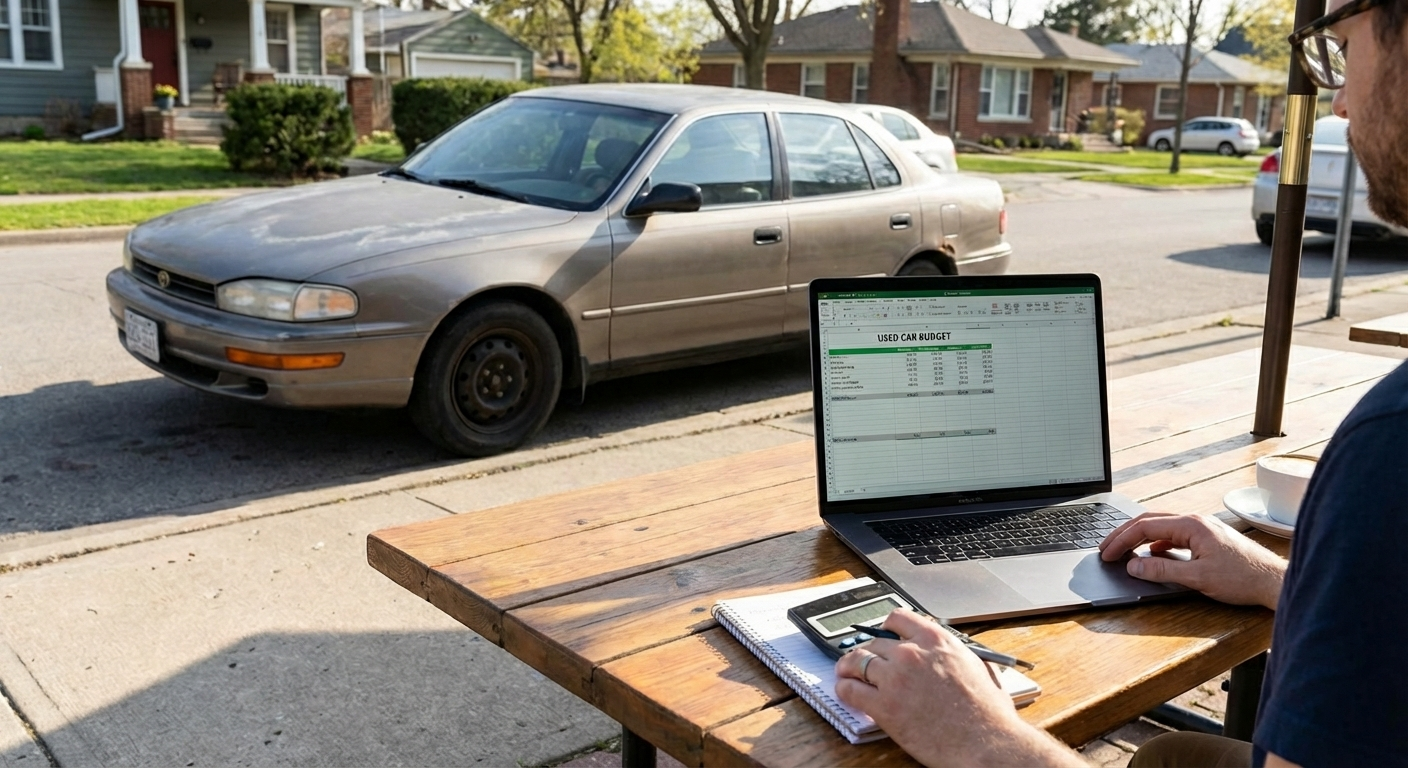
How do I calculate a realistic budget for a used car purchase?
Start by calculating your take-home pay and creating a list of monthly car expenses. Many financial experts suggest following the 15% rule—spending no more than 15% of your take-home pay on car payments—or the 20% rule (including insurance and fuel). Calculate how much you can comfortably spend by subtracting rent, utilities, savings goals, and existing debt from your monthly income to arrive at a realistic monthly car budget.
Next, convert your monthly budget into a purchase price based on likely financing options and the loan term. Use online auto loan calculators to estimate monthly loan payments given different interest rates and loan terms. Remember to include down payment scenarios—higher down payments lower your monthly payment and overall interest cost, making it easier to find vehicles that fit your budget.
What financing options should first-time buyers explore when buying a used car?
First-time car buyers should compare financing options such as bank loans, credit unions, dealership financing, and online lenders. Credit unions often offer competitive interest rates for used car loans and may be more flexible for buyers building credit. Dealerships can present attractive offers, but compare the total cost, including the sticker price and interest rate, to find the best deal.
When evaluating financing, focus on the interest rate, loan term, and monthly payment. A longer loan term reduces monthly payment but increases total interest paid. Aim to find a balance that keeps your monthly payment manageable while minimizing total cost. Pre-approval from a lender gives you stronger negotiating power at the dealership and helps you shop with a firm used car budget.
How much should my monthly payment be for a used car?
Monthly car payment guidance depends on monthly income and overall budget. A common guideline is to limit your monthly car payment to about 10–15% of your take-home income. If you plan to include insurance, maintenance and repairs, and fuel in the monthly budget, you may prefer keeping the payment closer to 10% to avoid stretching your finances.
To estimate a monthly payment, plug the purchase price minus down payment into a loan calculator with expected interest rate and loan term. For example, a $12,000 used car with a $2,000 down payment financed over 48 months at a modest interest rate results in a monthly payment that should align with most realistic used car budgets for first-time buyers.
How much do additional costs like maintenance and repairs factor into a used car budget?
Maintenance and repairs are crucial ownership costs that many buyers overlook. Older used vehicles typically require more frequent maintenance and may need repairs sooner. Budget for regular services like oil changes, brake pads, tire rotation, and unexpected repairs. A good rule of thumb is to set aside 1–2% of the vehicle’s value annually for maintenance and repairs.
Factor in costs such as fuel efficiency differences, annual inspection fees, and potential part replacements. Vehicles that fit your budget should also match your maintenance tolerance—reliable models with lower ownership costs may cost more up front but save money over time. Consider a pre-purchase inspection to estimate likely repair needs and include those estimates when assessing how much to spend on a used car.
How does my credit score affect the interest rate and total cost of a used car loan?
Your credit score has a major impact on the interest rate you’ll qualify for and therefore the total cost of your used car purchase. Higher credit scores typically secure lower interest rates for car loans. First-time buyers with limited credit history may see higher rates, increasing monthly payments and the total interest paid over the loan term.
If your credit score is lower than you’d like, consider improving it before financing: reduce credit card balances, correct errors on your credit report, and establish positive payment history. Alternatively, a larger down payment or a co-signer can lower risk for lenders and help you access better rates. Compare offers from dealerships, banks, and credit unions to find the most competitive used car loan rate for your credit profile.
Should I buy from a dealership or a private seller to fit my used car budget?
Buying from a dealership versus a private seller depends on priorities like warranty, finance options, and price. Dealerships often offer certified pre-owned vehicles, financing, and a level of consumer protection—useful if you want financing options and some peace of mind. Private sellers typically sell at lower prices, which can stretch your budget further, but you’ll likely take the car as-is.
Shop around at both dealerships and private sellers. If you plan to finance at the dealership, compare their finance offers to pre-approved loans from banks or credit unions. If buying from a private seller, bring a mechanic to inspect the vehicle and ensure you’ve budgeted for any immediate repairs. A smart car buyer balances total cost, convenience, and risk tolerance to find the best deal.
How can I find vehicles that fit my budget and avoid overspending?
Start by making a list of must-have features and non-negotiables, then search for models known for reliability and reasonable maintenance costs. Use online marketplaces to filter by price, year, mileage, and vehicle history. Create alerts for vehicles within your target price range to act quickly when a good option appears.
Negotiate based on research—know the vehicle’s market value, typical repair costs, and what similar vehicles are selling for in your area. Bring financing pre-approval and be prepared to walk away if terms don’t match your used car budget. Prioritize total cost of ownership over sticker price to avoid buying a cheap car that becomes expensive due to repairs and poor fuel efficiency.
How should I handle trade-ins, down payments, and negotiating the purchase price?
Decide whether a trade-in helps your used car budget. Trading in your current vehicle can reduce the purchase price or down payment required, lowering your monthly payment. However, dealerships may give less for a trade-in than private sale value. Evaluate both options to determine which improves your financial position more.
Making a larger down payment can lower your monthly payments and reduce the total interest you pay. Aim for at least 10–20% down if possible; this improves the chances of favorable financing and may prevent being upside down on an auto loan. When negotiating, separate the price negotiation from financing and trade-in discussions to keep clarity on total cost and avoid hidden markups from dealership financing offers.
How long should my loan term be when I finance a used car?
Loan term affects monthly payment and total interest. Shorter terms (36–48 months) keep total interest lower but increase monthly payments. Longer terms (60–72 months or more) reduce monthly payments but increase the total interest and the risk of being underwater on the loan. Choose the shortest term you can afford without straining your monthly budget.
Consider the vehicle’s age and expected lifespan when choosing a term: a longer loan on an older used car increases the chance you’ll owe more than the car is worth while it may require repairs. Balance monthly income, interest rate, and the car’s reliability to select a loan term that fits your overall car budget and financial goals.
How do I plan for insurance, registration, and other ownership costs in my used car budget?
Insurance, registration, taxes, and fuel are ongoing ownership costs that should be included in your budget. Obtain insurance quotes before buying to understand how a specific model will affect premiums. Factors like age, driving record, and vehicle safety ratings influence insurance rates for first-time buyers and experienced drivers alike.
Create a complete ownership-cost estimate that includes monthly fuel costs, routine maintenance, insurance, registration, and an emergency repair fund. This holistic view helps determine how much you can afford to spend on a used car while still covering other financial responsibilities. Vehicles with better fuel efficiency and reliability can significantly lower long-term ownership costs.
What steps should first-time buyers take to protect themselves when buying a used car?
Protect yourself with a thorough vehicle history report, a professional inspection, and test drives under real-world conditions. Review maintenance records, check for accident history, and verify the VIN. For used car loans, read all financing documents carefully and ensure you understand the interest rate, loan term, monthly payment, and any fees charged by the lender or dealership.
Consider warranties or service contracts for added protection, especially for higher-mileage vehicles. If purchasing from a dealership, check what services or limited warranties are included. For private sales, factor in the potential need for immediate repairs and the cost to register and insure the vehicle. A cautious, documented approach reduces risk and aligns your purchase with a realistic used car budget.
How can I find the best deals and timing when shopping for a used car?
Timing your purchase—end of the month, quarter, or year—can increase leverage with dealerships aiming to meet sales targets. Shop around online, compare prices, and use price history tools to determine if a listing is competitive. Seasonal considerations, model-year changes, and new-car incentives can also affect used car prices.
Look for certified pre-owned programs and dealer specials that include maintenance perks or reduced financing. Prioritize vehicles with documented maintenance and service histories, and don’t rush—set alerts, be patient, and be prepared to walk away to find the best value within your used car budget.
Summary: Key takeaways for budgeting and buying a used car
- Calculate a realistic car budget based on take-home pay, debt, and savings goals—aim for monthly payments within 10–15% of take-home pay.
- Compare financing options—credit unions, banks, and dealerships—to find the best interest rate and loan term for your credit score.
- Include ownership costs like insurance, maintenance and repairs, fuel, registration, and taxes when deciding how much to spend.
- Prefer a larger down payment to lower monthly payments and total interest; avoid long loan terms that increase total cost.
- Inspect vehicles, check history reports, and consider certified pre-owned options for added protection.
- Negotiate price, separate trade-in and financing discussions, and shop around dealerships and private sellers to find the best deal.
If you’re ready to shop for a reliable pre-owned vehicle, local dealerships like Hyatt Cars of Lexington can help you explore financing options, compare used car loans, and find vehicles that fit your budget. As a reputable Used Car Dealer in Lexington, SC, Hyatt Cars of Lexington offers inventory and guidance for first-time car buyers looking to finance a used car, understand much they can afford, and manage ownership costs including maintenance and repairs. Whether you’re a first-time buyer or a returning car buyer, planning a realistic budget, checking your credit score, and researching financing options will put you in control of your used car purchase and long-term car ownership costs.
Improve Your Credit Score: Tips for a Better Car Loan

Improve Your Credit Score Before Applying for a Car Loan: Top Tips to Boost Your Credit Score
Planning to buy a car or apply for an auto loan soon? Your credit score before applying can dramatically affect loan approval, loan interest, and the life of the loan. This guide offers actionable, easy-to-follow steps to improve your credit score, check your credit report, reduce credit utilization, and get your credit ready so you can secure a better car loan and lower your interest rate when you apply for a car loan or auto loan.
How can checking your credit score and credit report help you improve your credit?
Checking your credit score and reviewing your credit report are the first and most important steps to improve your credit score. Request credit reports for free from the three major credit bureaus and review your credit report for errors in your credit report that could lower your credit. A thorough review helps you identify negatives — late payments, collections, or incorrect balances — that you can dispute to boost your credit score before applying for a car loan.
When you check your credit score, you’ll better understand factors that affect your credit score means such as credit utilization, new credit, and credit history. Checking your credit regularly won’t hurt your credit score if you use soft inquiries or obtain reports directly through the credit bureaus. Review your credit report at least once before a loan application to improve your chances of loan approval and to know where to focus efforts, like paying down credit card balances or correcting errors.
What steps to improve your credit should you take to lower your credit utilization?
Lower your credit utilization is one of the fastest ways to raise your credit score. Credit utilization, or credit utilization ratio, compares credit you’re using to your available credit. Aim to keep your credit utilization below 30%, and ideally under 10%, to see a meaningful boost your credit score. Start by paying down high credit card balances and, when possible, spreading balances across accounts to increase available credit relative to what you owe.
Practical steps include paying multiple times each month, asking for a credit limit increase from major credit card issuers, or reducing new credit applications that may temporarily lower available credit. Remember, while increasing credit limit can lower your utilization, avoid using new available credit to accumulate more balances. These moves will improve your credit and help secure a lower auto loan interest rate when you apply for an auto loan.
How does paying off your credit and credit card balances boost your credit score?
Pay off your credit as quickly as possible to improve your score before applying for a car loan. Carrying high credit card balances can lower your credit score and increase your credit utilization. Prioritize paying off credit card balances with the highest interest rates or those closest to their credit limit to reduce the impact on your credit history and increase your available credit.
Make a plan to pay more than the minimum payment and consider debt payoff strategies like the avalanche or snowball methods. Paying off credit reduces the amount of credit you’re using and demonstrates responsible credit behavior to lenders, which can improve loan eligibility and potentially secure a better interest rate or longer loan term that fits your budget.
Should you dispute errors on your credit report to raise your credit score?
Yes — disputing errors in your credit report is a critical credit improvement action. Errors in credit reports for free copies from the three major credit bureaus can include incorrect account statuses, wrong balances, or fraudulent accounts that lower your credit. Review your credit report carefully and file disputes with each credit bureau for any inaccuracies to improve your credit score before applying for a car loan.
Maintain documentation like billing statements, receipts, or correspondence to support disputes. Resolving inaccurate negative items can raise your credit score, improve your credit history, and increase the likelihood of loan approval with a better loan interest rate. Disputes can also protect you from identity theft and lower your credit repair timeline.
How does new credit and hard inquiries affect your ability to get a better credit score?
New credit applications and hard inquiries can temporarily lower your credit score, which can affect your loan application for an auto loan. When you apply for new credit, lenders perform hard pulls that show up on your credit report and can reduce your score, especially if you apply for multiple credit cards or loans in a short period. Plan your loan application timing and avoid unnecessary new credit before you apply for a car loan.
If you’re shopping for the best auto loan rate, multiple auto loan inquiries within a short window are typically treated as a single inquiry by credit scoring models, minimizing impact. Still, avoid applying for unrelated new credit like a credit card or store card. Keep new credit to a minimum to keep your credit history stable and improve your chances of loan approval and a favorable interest rate.
What role do credit cards and keeping old credit accounts play in building credit?
Credit cards are central to your credit history and credit utilization ratio. Keeping your credit card accounts open — especially old credit accounts — can help increase your average account age and available credit, which supports a better credit score. Closing old credit cards can reduce your available credit and potentially raise your credit utilization, which could lower your credit score before applying for a car loan.
Use credit cards responsibly: keep your credit card balances low, make on-time payments, and keep accounts active with small regular purchases. This behavior helps improve your credit history and keep your credit healthy, which lenders consider when evaluating loan eligibility and loan interest. If you have a major credit card with a high credit limit, keeping it open may be beneficial to lower your credit utilization ratio.
How can reviewing your credit with the credit bureau help you get a better loan interest rate?
Reviewing your credit report with each credit bureau — Experian, Equifax, and TransUnion — gives you a complete picture of what lenders will see when you apply for a car loan. Differences between reports can occur, so check all three credit reports for discrepancies and resolve any items that could lower your credit. Understanding each report helps you take targeted actions to improve your score, such as disputing errors or paying off delinquent accounts.
Improving items identified through a credit bureau review can result in a higher credit score, better credit history, and lower auto loan interest rate offers. Lenders factor in your credit score means the likelihood you’ll repay the loan, so a cleaner credit report can translate to improved loan terms, including a lower loan term interest and lower total cost over the life of the loan.
What strategies can help you build your credit and raise your credit score long-term?
Building your credit takes consistent, long-term strategies that include making on-time payments, keeping credit utilization low, and maintaining a mix of credit types responsibly. Consider a secured credit card or a small installment loan from a bank or credit union if you’re rebuilding credit. These tools, when managed well, can improve your credit and make you more attractive to lenders when you apply for an auto loan or car loan.
Other ways to raise your credit include becoming an authorized user on someone else’s older account to benefit from a longer credit history, diversifying your credit mix with a small installment loan, and setting up automatic payments to avoid missed or late payments. These steps to improve your credit will increase your loan eligibility and may lead to an affordable car loan with a better interest rate.
How do loan term and loan interest decisions affect your car loan if your credit is fair?
If you have fair credit, the loan term and loan interest you’ll qualify for are important factors to consider. A longer loan term can lower monthly payments but may increase the life of the loan and total interest paid. Conversely, a shorter loan term may mean higher monthly payments but less total interest and a quicker path to full ownership. Lenders will set your auto loan interest rate based on your credit score, so improving your score can make shorter loan terms more affordable.
Shop around at a bank, credit union, or car dealership to compare loan interest offers. Credit unions often offer competitive rates for borrowers with fair credit and may be more flexible with loan eligibility. Improving your score, even modestly, can lower your interest rate and give you more favorable loan term options when you apply for a car loan.
What quick actions can you take to boost your credit score before applying for a car loan?
There are several quick ways to boost your credit score before applying for a car loan: pay down high credit balances, correct errors on your credit report, avoid new credit inquiries, and request a credit limit increase if appropriate. Even small, targeted moves can sometimes lift your score enough to improve loan offers and lower loan interest. Prioritize actions that impact credit utilization and payment history, as these are major credit factors.
Other immediate steps include setting up payment reminders, negotiating with creditors to remove late-payment notations, and consolidating high-interest credit card debt into a lower-rate personal loan. Use these steps to improve your chances of loan approval and to secure an affordable car loan with better terms.
How will reviewing your credit reports for errors and fraud protect your credit before applying for an auto loan?
Reviewing your credit reports for errors and fraud can prevent surprises during loan application and protect your credit standing. Identity theft or fraudulent accounts can lower your credit score and reduce your loan eligibility. Regularly checking credit reports for free from the three major credit bureaus allows you to spot suspicious activity and dispute errors quickly to restore your credit reputation.
If you find fraud, place a fraud alert or freeze on your credit, and work with creditors and the credit bureaus to remove fraudulent accounts. This proactive approach can prevent lower credit and minimize the negative impact on your loan application, helping you maintain better credit when you apply for an auto loan or car loan.
How do lenders at a car dealership view your credit score when you buy a car?
When you buy a car, lenders at a car dealership evaluate your credit score, credit history, and current debt obligations to determine loan approval and interest rate. Dealership finance departments work with multiple lenders, including banks and credit unions, to match buyers with loan options. A better credit score often leads to more favorable loan interest and loan terms, while lower credit may limit options or increase loan interest.
Being prepared by checking your credit, improving your credit utilization, and reducing outstanding balances can position you for better offers from a car dealership. If you plan to apply for financing at the dealership, get preapproved first to compare rates and know what loan interest you qualify for. This research improves your chances of a successful loan application and better overall financing outcomes.
What are practical ways to keep your credit healthy after getting an auto loan?
Keeping your credit healthy after taking out an auto loan means continuing to make on-time payments, monitoring credit utilization, and avoiding unnecessary new credit. The auto loan itself can help build your credit if you make consistent payments; treat it as an opportunity to improve your credit history and ultimately boost your credit score for future loans.
Also, keep your credit cards active but with low balances, check your credit reports regularly, and plan for life-of-the-loan expenses such as insurance or maintenance. By maintaining good habits, you can keep your credit strong, lower your total cost of credit over time, and be better positioned for refinancing or future loan applications.
How can working with a bank or credit union improve your loan eligibility and interest rates?
Working with a bank or credit union can often lead to better loan interest and more flexible loan terms compared to dealership financing. Credit unions in particular may offer competitive rates to members and take a more personal view of loan approval beyond just credit scores. Building a relationship with a bank or credit union before you apply for an auto loan can improve your chances of loan approval and secure a lower interest rate.
Get preapproval from a bank or credit union to understand the loan amount and terms you qualify for. Preapproval can also strengthen your negotiating position when you buy a vehicle at a car dealership. Compare offers to choose the most affordable car loan and loan term that fits your budget and credit goals.
How do factors like credit history, payment history, and credit bureau records factor in your credit score?
Credit history and payment history are among the most influential factors that determine a good credit score. Timely payments and a long, stable credit history show lenders that you’re a low-risk borrower, improving your credit score before applying for a car loan. The three major credit bureaus collect and report this data, and lenders use those reports to factor in your credit score and loan interest offers.
Consistent on-time payments, keeping credit utilization low, and avoiding multiple hard inquiries help you maintain a strong credit profile. Regularly review your credit bureau records to ensure accuracy and respond quickly to issues that could hurt your credit score. A solid credit profile improves loan eligibility and increases the likelihood of getting a better credit score and affordable car loan terms.
Summary: Key takeaways to boost your credit score before applying for a car loan
- Check your credit score and credit reports from the three major credit bureaus and dispute any errors.
- Lower your credit utilization ratio by paying down credit card balances and increasing available credit.
- Pay off your credit and prioritize high-interest debts to improve your credit history and scores.
- Avoid new credit and unnecessary hard inquiries before you apply for an auto loan.
- Keep old credit accounts open when possible to maintain a longer credit history and more available credit.
- Consider working with a bank or credit union for competitive auto loan interest rates and preapproval.
- Make on-time payments and build a mix of credit to raise your credit score over the long term.
- Shop loan offers, compare loan interest and loan term options, and aim for the most affordable car loan.
If you’re researching pre-owned vehicles and getting ready to buy a car, these steps will help you get your credit ready and improve your chances of favorable loan approval. For buyers in Lexington, South Carolina, consider visiting Hyatt Cars of Lexington, a Used Car Dealer in Lexington, SC, where staff can help you understand financing options, evaluate loan interest rates, and discuss strategies to boost your credit score, improve your credit utilization, and secure an affordable car loan. Whether you need help applying for a car loan, checking your credit report, or finding a pre-owned vehicle with loan options that fit your budget, Hyatt Cars of Lexington can assist you on your path to better credit and better car financing.
Benefits of Pre-Approved Auto Loans When Shopping for Used Cars
When it comes to buying a used car, understanding the financing options available can significantly impact your car shopping experience. One of the best strategies is to get pre-approved for an auto loan. This not only simplifies the car-buying process but also helps you make informed decisions. In this blog post, we will explore the numerous benefits of pre-approved auto loans when shopping for used cars and how they can empower you as a buyer.

What is a Pre-Approved Auto Loan?
A pre-approved auto loan is a financing option where a lender evaluates your financial history and creditworthiness before you start shopping for a vehicle. This process gives you a specific loan amount, interest rate, and terms that you can expect when you apply for a car loan. By obtaining a pre-approval, you’ll know exactly how much you can afford to spend on a used car, which can streamline your search and negotiations.
Typically, you can get pre-approved through a bank or credit union. The pre-approval process involves a soft credit inquiry, which does not affect your credit scores. If you choose to proceed with a specific lender, a hard credit inquiry may follow during the final loan application process.
How Does Pre-Approval Benefit Your Car Buying Process?
One of the most significant benefits of an auto loan pre-approval is that it puts you in a stronger negotiating position when dealing with dealers. Knowing your loan amount and interest rate allows you to focus on the price of the used car rather than worrying about the financing details during negotiations.
Additionally, pre-approval can lead to a relaxing car buying experience. As you shop around for used vehicles, you can confidently evaluate your options without the stress of uncertain financing. You’ll know what’s within your budget, making it easier to compare different cars and their prices.
Why Should You Get Pre-Approved for an Auto Loan?
Getting pre-approved for an auto loan is not just about securing financing; it’s also about understanding your financial standing. By reviewing your credit report and getting a pre-approval, you can identify any areas of improvement in your credit history. This knowledge can help you enhance your credit score before making a significant purchase.
Moreover, pre-approval can help you avoid potential pitfalls. For example, if your credit score is lower than expected, you may want to shop for a used car within a lower price range or work on improving your credit before buying. This proactive approach can save you from higher monthly payments and unfavorable loan terms.
What Are the Advantages of Pre-Approved Auto Loans Over Regular Financing?
Pre-approved auto loans come with several advantages when compared to regular financing options. Firstly, they often offer better interest rates than traditional dealer financing. Since you have already established a relationship with a lender and demonstrated your creditworthiness, you can negotiate more favorable loan terms.
Additionally, a pre-approved loan can eliminate the hassle of lengthy financing discussions at the dealership. With your financing already secured, you can focus on finding the right used vehicle, reducing the time spent in the dealership’s finance office.
How to Get Pre-Approved for an Auto Loan?
The process to get pre-approved for an auto loan is relatively straightforward. Start by gathering your financial documents, such as your income details, employment status, and current debt obligations. Next, you can apply for a preapproved loan either online or in person at your chosen bank or credit union.
During the application, the lender will perform a credit check, which may involve a hard inquiry on your credit. However, many lenders also offer pre-qualification options that involve a soft credit check, allowing you to see potential loan offers without impacting your credit score.
What Factors Affect Your Pre-Approval Loan Amount?
Your pre-approval loan amount is influenced by several factors, including your credit score, income, and existing debts. Lenders evaluate your credit history to determine how likely you are to repay the loan. A higher credit score typically results in a larger loan amount and better interest rates.
Moreover, your income and employment stability play a crucial role. Lenders want to ensure that you have the financial capacity to make monthly payments on the loan. It’s always a good idea to review your credit score and rectify any discrepancies before applying for pre-approval.
What are the Typical Loan Terms for Pre-Approved Auto Loans?
Loan terms for pre-approved auto loans can vary widely based on the lender and your credit profile. Loan terms commonly range anywhere from 36 to 72 months. Shorter loan terms typically result in higher monthly payments but lower overall interest costs, while longer terms offer more manageable monthly payments but may lead to paying more interest in the long run.
Understanding these terms allows you to select the best financing option that fits your budget and financial goals. Always weigh your options carefully and choose a loan term that you can comfortably manage.
How Does Pre-Approval Impact Your Credit Score?
When you apply for pre-approval, lenders perform a credit inquiry. A hard inquiry can slightly affect your credit score; however, multiple inquiries within a short period (usually 30 days) are often treated as a single inquiry by credit scoring models. This means that you can shop around for the best financing options without significantly impacting your credit score.
Furthermore, securing a pre-approved loan can ultimately improve your credit score over time. As you make consistent monthly payments, you demonstrate your creditworthiness, which can positively influence your credit history.
Can You Get Pre-Approved for an Auto Loan with Bad Credit?
While getting pre-approved for an auto loan with bad credit may be challenging, it is not impossible. Some lenders are dedicated to helping individuals with lower credit scores secure financing. However, you may need to accept higher interest rates and less favorable loan terms.
Improving your credit score before applying for a pre-approved loan can increase your chances of securing better financing options. This can involve paying down existing debts, making on-time payments, and reviewing your credit report for errors.
What Should You Do After Getting Pre-Approved?
After receiving your pre-approved auto loan, it’s time to start shopping for your used car. Use the loan amount and terms as a guide to narrow down your options. Research various used vehicles that fit your budget and needs, and don’t hesitate to negotiate with dealerships armed with your pre-approved loan details.
Once you find the right vehicle, you can finalize the loan application with your lender. Ensure you understand the loan terms, monthly payment, and total cost before signing the agreement.
Common Car-Buying Mistakes to Avoid When Buying a Used Car
When it comes to purchasing a used car, many buyers often overlook critical details that can lead to costly consequences. Understanding the common mistakes to avoid when buying a used vehicle is essential for ensuring a successful car-buying experience. This guide will help you navigate the used car market with confidence, focusing on the pitfalls that can be easily avoided.

What Financing Options Should You Consider?
Financing a used car can be a daunting task, especially if you’re unfamiliar with the various options available. Many car buyers make the mistake of not exploring all financing options, such as loans from banks, credit unions, or dealership financing. Each option comes with different interest rates and terms that can significantly affect your monthly payment. It’s crucial to shop around and compare offers to ensure you secure the best deal.
Additionally, consider the total cost of ownership, which includes factors such as insurance, maintenance, and fuel efficiency. Understanding the total cost will help you make a more informed decision about which financing option aligns best with your budget and financial goals.
Why Is a Test Drive Essential Before Buying?
A test drive is one of the most critical steps in the car-buying process, yet many buyers neglect this essential component. Taking the time to test drive a used vehicle allows you to assess its performance, comfort, and overall feel. This step can help you identify potential issues that may not be apparent from just looking at the car.
During the test drive, pay attention to how the car handles, any unusual sounds, and whether all the features function correctly. A thorough test drive can help you avoid common mistakes and give you a clearer picture of what to expect from your potential purchase.
How Important Is the Vehicle History Report?
One of the most significant mistakes car buyers make is skipping the vehicle history report. This report provides crucial information about a used car, including any past accidents, title issues, and service history. Companies like Edmunds and Carfax offer detailed reports that can help you evaluate the reliability of the vehicle.
Always request a vehicle history report before making a purchase. This step can help you avoid buying a car with hidden problems, ultimately saving you money in the long run. Remember, a good used car should have a clean history report, indicating it has been well-maintained and is less likely to have major issues.
What to Look for When Researching the Seller?
Researching the seller is another crucial step that many buyers overlook. Whether you’re buying from a dealership or a private seller, it’s essential to gather information about their reputation. Look for online reviews, ratings, and feedback from previous customers. This research can help you understand if the seller is trustworthy and reliable.
When dealing with dealerships, consider their return policy, warranty options, and customer service reputation. A reputable dealer, such as Hyatt Cars of Lexington, will provide transparency and support throughout the buying process, helping you avoid common pitfalls.
Why Do You Need a Pre-Purchase Inspection?
A pre-purchase inspection by a trusted mechanic is a vital step that can save you from costly car-buying mistakes. Even if the vehicle looks great and has a clean history report, there may be underlying issues that only a professional can detect. By investing in a pre-purchase inspection, you ensure that the used car is in good condition and worth the asking price.
During the inspection, the mechanic will check for common issues, such as engine problems, transmission issues, and wear and tear on essential components. This information can give you leverage when negotiating the purchase price and help you make a more informed decision.
How to Negotiate the Best Price?
Negotiating the price of a used car is a crucial skill that every buyer should master. Many car buyers make the mistake of accepting the sticker price without negotiating. Research similar vehicles using resources like Kelley Blue Book or Edmunds to understand the fair market value of the car you’re considering.
When negotiating, be confident and prepared to walk away if the deal doesn’t meet your expectations. Highlight any issues discovered during the inspection or discrepancies in the vehicle history report to strengthen your negotiating position. Remember, successful negotiation can lead to significant savings on your monthly payments.
What Are the Common Signs of a Reliable Vehicle?
Identifying a reliable used vehicle is essential to avoid future headaches and expenses. Look for signs such as low mileage, a well-documented service history, and a clean vehicle history report. Additionally, consider the make and model known for their reliability; some brands have better reputations for durability and performance than others.
Before finalizing your purchase, ensure the car has passed a comprehensive pre-purchase inspection. A reliable vehicle can reduce the total cost of ownership over time and provide you with peace of mind.
How to Evaluate the Total Cost of Ownership?
When buying a used car, it’s crucial to consider the total cost of ownership, which includes more than just the sticker price. Factors such as insurance rates, fuel efficiency, maintenance costs, and potential repairs should all be accounted for. Many buyers make the mistake of focusing solely on the upfront cost, neglecting the long-term expenses associated with their purchase.
To evaluate the total cost, create a budget that includes all potential expenses. This approach will help you choose a vehicle that fits your financial situation and reduce the risk of future financial strain.
What Mistakes Do Car Buyers Often Make?
Car buyers frequently make common mistakes that can lead to regret after the purchase. Some of these include failing to conduct thorough research, neglecting the importance of a pre-purchase inspection, and not considering the total cost of ownership. Additionally, some buyers may rush the decision-making process, leading to impulsive purchases.
To avoid these mistakes, take your time and ensure you have all the necessary information before making a commitment. Remember, buying a used car is a significant investment, and being informed can help you make the right choice.
How to Ensure a Positive Buying Experience?
To ensure a positive buying experience, approach the process with diligence and patience. Begin by setting a clear budget and understanding your financing options. Research the used car market thoroughly and be prepared to negotiate effectively. Always prioritize transparency by requesting a vehicle history report and conducting a pre-purchase inspection.
Choose a reputable dealership, such as Hyatt Cars of Lexington, which emphasizes customer satisfaction and offers a range of quality pre-owned vehicles. A positive buying experience will not only leave you with a reliable vehicle but also instill confidence in your future car-buying endeavors.
- Research your financing options thoroughly.
- Always take a test drive before purchasing.
- Request a vehicle history report to uncover any hidden issues.
- Conduct thorough research on the seller’s reputation.
- Invest in a pre-purchase inspection from a trusted mechanic.
- Negotiate based on market research and vehicle condition.
- Look for signs of reliability in the vehicle.
- Consider the total cost of ownership beyond the sticker price.
- Avoid rushing the decision-making process.
- Choose a reputable dealership for a positive experience.
In summary, being aware of the common mistakes to avoid when buying a used car can help you make a wise investment. From understanding financing options to conducting thorough research on the vehicle’s history, these steps will help you find a reliable used vehicle. If you’re in the Lexington, SC area, consider visiting Hyatt Cars of Lexington for a wide selection of quality pre-owned cars that can meet your needs without falling victim to common car-buying mistakes.
Common Car Loan Mistakes to Avoid
When it comes to financing a vehicle, many buyers make mistakes that can lead to financial strain over the life of their loan. Understanding common car loan mistakes is crucial for securing the best deal and ensuring that you can comfortably manage your monthly payments. This guide aims to highlight the common pitfalls and provide insights on how to avoid them, ultimately empowering you to make informed decisions when purchasing your next car.

What Are the Most Common Car-Buying Mistakes?
Many car buyers overlook essential aspects when financing a vehicle, leading to poor decisions. Common car-buying mistakes include not researching the vehicle’s total cost, failing to consider interest rates, and neglecting to evaluate their credit score. These oversights can significantly affect your financing options and the overall affordability of your loan.
Here are a few mistakes to avoid:
- Not understanding the total cost of the car, including taxes and fees.
- Ignoring your credit report, which can impact the interest rates you receive.
- Choosing a car that exceeds your budget without considering the monthly payment.
How Does Your Credit Score Affect Your Car Loan?
Your credit score plays a pivotal role in determining the interest rates and terms of your car loan. A higher credit score can lead to better auto loan rates, which translates to lower monthly payments and total cost over the life of the loan. On the contrary, a lower score may result in higher interest rates, making your loan more expensive.
Before applying for a loan, it’s a good idea to review your credit report for any errors and resolve them. This proactive approach can improve your chances of receiving a favorable loan offer.
Why Is It Important to Compare Loan Offers?
Comparing loan offers from different lenders, including credit unions and banks, can save you a significant amount of money. Each lender may provide different rates and terms, affecting your monthly payment and the total cost of the loan. Using a loan calculator can help you assess how various interest rates and loan amounts will impact your finances.
Here’s how to effectively compare loan offers:
- Gather quotes from multiple lenders.
- Compare interest rates and loan terms.
- Evaluate the total cost of the loan, including fees.
What Should You Know About Loan Terms?
The term of the loan refers to the duration over which you will repay the loan. While longer loan terms may lead to lower monthly payments, they can also result in a higher total cost due to increased interest paid over time. It’s essential to find a balance between an affordable monthly payment and a reasonable loan duration.
Considerations for loan terms include:
- Choosing a shorter loan term to save on interest.
- Understanding how a longer loan affects your total cost.
- Calculating the monthly payment to fit your budget.
How Can You Avoid Upside-Down Loans?
Being upside-down on the loan means owing more than the car is worth, which can be a significant financial burden. To avoid this situation, ensure you make a substantial down payment and choose a car that will retain its value. Additionally, consider the total cost of the car and how it aligns with your financial goals.
Tips to prevent being upside-down include:
- Researching used car prices to ensure you’re making a wise investment.
- Opting for a used car that has a good resale value.
- Paying down the loan as quickly as possible when possible.
What Are the Risks of Longer Loan Terms?
While longer loan terms can lower your monthly payment, they often come with higher interest rates and greater total costs. This can make financing a car less affordable in the long run. It’s crucial to consider how much car you can afford and the implications of extending your loan duration.
When evaluating loan terms, keep these points in mind:
- Assess the overall increase in the total cost of the loan.
- Be mindful of how interest accumulates over an extended period.
- Consider your long-term financial goals and needs.
How Can You Use a Loan Calculator Effectively?
A loan calculator can be an invaluable tool for car buyers. It allows you to input various loan amounts, interest rates, and terms to see how they affect your monthly payments and the total cost of the loan. Utilizing this tool can help you make informed decisions about financing options.
To use a loan calculator effectively:
- Input realistic loan amounts based on your budget.
- Experiment with different interest rates to find the best deal.
- Adjust the loan terms to see their impact on monthly payments.
What Financing Options Should You Consider?
When financing a car, you have several options, such as traditional banks, credit unions, and dealership financing. Each option comes with its pros and cons, so it’s essential to research and compare offers thoroughly.
Key financing options include:
- Bank loans, which may offer competitive rates but often require good credit.
- Credit union loans, which typically have lower rates and more flexible terms.
- Dealership financing, which can sometimes be convenient but may come with higher interest rates.
What Are Common Auto Loan Mistakes to Avoid?
In addition to the broader car-buying mistakes, specific auto loan mistakes can affect your financial health. These include not reading the fine print, rushing into a loan decision, and failing to budget for additional car ownership costs.
To avoid these common auto loan mistakes:
- Always read the loan agreement carefully before signing.
- Take your time to shop around for the best rates and terms.
- Make sure to budget for ongoing expenses like insurance, maintenance, and fuel.
How Important Is It to Negotiate Your Loan Terms?
Negotiating loan terms can lead to better rates and terms, potentially saving you money on your monthly payment and the overall cost of the loan. Don’t hesitate to discuss financing options with lenders and ask about any available discounts or promotions.
Effective negotiation strategies include:
- Researching average interest rates for your credit score.
- Be ready to walk away if the terms aren’t favorable.
- Establishing a good rapport with your lender can help create a more favorable environment for negotiations.
What Are the Key Takeaways About Common Car Loan Mistakes?
- Always assess your credit score before applying for a loan.
- · Compare multiple loan offers to find the best deal.
- · Make sure to understand how loan terms affect both your monthly payments and the total cost of the loan.
- · Avoid being upside-down on your loan by making a substantial down payment.
- · Use tools like loan calculators to make informed decisions about financing.
- · Consider all financing options, including banks, credit unions, and dealerships.
- · Take your time during the loan process and avoid rushing into decisions.
- · Don’t forget to budget for additional costs of car ownership.
- · Negotiate your loan terms to potentially save money.
- · Stay informed about common car loan mistakes to make the best choices.
Conclusion:
In conclusion, navigating the world of car loans can be complex, but being informed about common car loan mistakes can significantly ease the process. If you’re looking to buy a used car, consider visiting Hyatt Cars of Lexington, a trusted used car dealership in Lexington, SC. They offer a wide selection of used cars for sale and financing options that can cater to your needs. With their assistance, you can secure a used car loan that fits your budget and lifestyle.
Choosing the Right Used Car for Your Lifestyle: A Comprehensive Car Buying Guide
In today’s fast-paced world, choosing the right used car for your lifestyle is more important than ever. With a plethora of options available in the used car market, it can be overwhelming for buyers to navigate through the choices. This comprehensive guide aims to equip you with essential tips and insights, ensuring you make an informed decision that aligns with your needs and budget.

What Should You Consider When Choosing a Used Car?
When it comes to choosing a used car, several factors must be considered to ensure it meets your lifestyle and budget. First, assess your daily needs, such as the number of passengers you typically transport, cargo space for groceries or sports equipment, and whether you require specific safety features like emergency braking systems. Understand your driving patterns: do you primarily use your vehicle for a daily commute or weekend adventures?
Next, consider your budget. The total cost of ownership extends beyond the purchase price; it includes insurance costs, repair costs, and maintenance. Knowing the market value of the car you’re interested in can help you avoid overpaying. Utilize resources like Consumer Reports to compare different models and their reliability scores.
How Do You Know If You’re Buying a Reliable Used Vehicle?
To ensure your used vehicle is reliable, always request a free vehicle history report. This report can provide crucial insights into previous accidents, service history, and whether the car has a salvage title. Additionally, it’s wise to have a certified mechanic inspect the car before finalizing the purchase. This inspection can uncover any hidden repair needs, giving you peace of mind about your investment.
Look for certified pre-owned vehicles, as they often come with warranties and have undergone rigorous inspections. This added assurance can be worth the slightly higher price tag, especially if you’re concerned about repairs down the road.
What Are the Essential Features to Look for in a Used Car?
When searching for the right car, prioritize essential features that suit your lifestyle. For families, safety features such as airbags, anti-lock braking systems, and stability control are non-negotiable. If you often travel long distances, consider cars with good mileage ratings and comfortable seating for extended journeys.
For urban dwellers, compact cars might be ideal due to their lower cost and ease of parking. Conversely, if you require more cargo space for outdoor activities, explore SUVs or hatchbacks. Always create a checklist of must-have features before visiting dealerships or private sellers to simplify your search.
Should You Buy from a Dealership or a Private Seller?
Deciding whether to buy a car from a dealership or a private seller can significantly affect your purchasing experience. Dealerships typically offer a broader range of options, including certified pre-owned vehicles with warranty coverage, providing extra peace of mind. They may also offer financing options that can make the buying process smoother.
On the other hand, purchasing from a private seller can potentially save you money. However, it’s crucial to ensure that you inspect the car thoroughly and verify its history. If you choose this route, be prepared to negotiate and understand that you might not receive the same level of buyer protection as you would from a dealership.
How Important Is a Test Drive in the Car Buying Process?
Taking a test drive is one of the most important steps when purchasing a car. It allows you to evaluate the driving experience, comfort, and handling of the vehicle. Observe how the car handles acceleration, braking, and turning. Is it responsive? Do you notice any strange noises?
During the test drive, also check for visibility, seating comfort, and the functionality of safety features. If possible, drive the car in various conditions, such as on highways and in stop-and-go traffic, to get a comprehensive understanding of its performance.
What Are the Best Tips for Buying a Used Car?
Here are some expert tips for buying a used car that can help streamline your process:
- Research extensively before visiting dealerships or private sellers.
- Establish a clear budget and stick to it, considering all costs involved.
- Always ask for a vehicle history report and inspect the car thoroughly.
- Consider financing options and get pre-approved to enhance your negotiation power.
- Take your time—don’t rush the process—to ensure you choose a car that genuinely fits your needs.
How Can You Determine the Fair Market Value of a Used Car?
Determining the fair market value of a used car is essential to ensure you’re not overpaying. Utilize online resources such as Kelley Blue Book or Edmunds to compare prices based on the vehicle’s make, model, year, and condition. Factors such as mileage, repair history, and location can also influence the value.
When negotiating, use your research to support your offer. Being informed about the market trends and pricing can significantly enhance your bargaining position, making it easier to secure a deal that fits your budget.
What Should You Know About Insurance Costs for Used Cars?
Insurance costs can vary widely depending on the type of car you choose. Generally, newer models or those with advanced safety features may have lower insurance costs. However, high-performance vehicles or those with a history of theft may come with higher premiums.
Before completing your purchase, be sure to get insurance quotes for the specific car models you’re evaluating. This proactive approach helps you budget effectively and avoid surprises once you take ownership of the vehicle.
How Do You Spot Signs of Wear and Tear in a Used Car?
Inspecting a used car for signs of wear and tear is crucial to assessing its condition. Look for rust spots, dents, and paint inconsistencies. Inspect the tires for uneven wear, as this may be a sign of alignment problems. Inspect the interior for any signs of neglect, such as stained upholstery or worn-out floor mats.
Additionally, pay attention to the mechanical aspects, such as the engine sound and responsiveness of the brakes. If you notice anything unusual, don’t hesitate to ask the seller for clarification or seek a second opinion from a certified mechanic.
What Are the Key Takeaways for Choosing the Right Used Car?
- Assess your lifestyle needs and budget before making a decision.
- Be sure to obtain a vehicle history report and have a trusted mechanic perform a thorough inspection before purchasing.
- Prioritize essential features that enhance your driving experience.
- Don’t overlook the importance of a test drive to evaluate the vehicle.
- Research thoroughly to determine the fair market value and insurance costs.
In conclusion, choosing the right used car requires careful consideration of various factors, including lifestyle, budget, and vehicle condition. By following these tips and utilizing resources like Consumer Reports, you can make an informed decision. If you’re in the market for a used car, consider visiting Hyatt Cars of Lexington, a reputable used car dealership in Lexington, SC, where you can find a variety of quality pre-owned vehicles to suit your needs.
Car Maintenance Schedules: Keep Your Vehicle Running Smoothly
Maintaining your vehicle is crucial for ensuring its longevity and performance. A well-structured car maintenance schedule can help you avoid costly repairs, keep your car running smoothly, and enhance your driving experience. This guide will delve into the importance of regular maintenance, outline essential tasks, and provide insights into how to keep your vehicle in top shape.

What Are the Essential Car Maintenance Tasks?
Every car owner should prioritize routine car maintenance tasks to ensure their vehicle operates efficiently. These tasks include regular oil changes, tire inspections, brake checks, and air filter replacements. Following a structured car maintenance checklist can help you stay organized and ensure that you don’t miss any critical maintenance needs.
Scheduled servicing not only keeps your car in top shape but also extends the life of your vehicle. This proactive approach can save you money in the long run by preventing expensive repairs caused by neglect.
How Often Should You Inspect Your Tires?
Proper tire maintenance plays a crucial role in keeping your vehicle running safely and efficiently. You should regularly check your tire pressure using a pressure gauge and inspect the tread for any signs of wear and tear. Proper tire rotation is also essential to ensure even wear.
Maintaining the correct tire pressure can improve fuel efficiency and enhance your car’s handling. Remember to check your owner’s manual for the manufacturer’s recommendations on tire maintenance for your specific make and model.
When Should You Change Your Engine Oil?
Oil changes are a critical part of any auto service schedule. Engine oil lubricates the engine components, reducing friction and preventing wear and tear. Depending on your vehicle’s make and model, you should change your oil every 5,000 to 7,500 miles or as recommended by the vehicle manufacturer.
Using the right type of oil is also essential. Consult your owner’s manual for the recommended oil viscosity and specifications. Regular oil changes will keep your engine running well and improve the overall performance of your vehicle.
Why is Brake Maintenance Important?
Maintaining your brakes is essential to ensure your safety and reliable performance while driving. Regularly inspect your brake pads, brake fluid levels, and brake lights to ensure they function properly. Worn brake pads can lead to decreased stopping power and costly repairs.
Incorporate regular brake system checks into your routine maintenance to stay safe on the road. This includes checking for any unusual noises when braking, which can indicate a need for immediate repair or replacement.
What Role Does the Air Filter Play in Vehicle Maintenance?
The engine air filter and cabin air filter are essential for maintaining air quality and engine efficiency. A clean engine air filter ensures that your engine receives enough airflow, which is necessary for optimal combustion and performance.
Likewise, replacing a dirty cabin air filter helps maintain fresh, clean air inside your car. Replace both filters as recommended in your maintenance schedule to ensure your vehicle operates smoothly and efficiently.
How to Maintain Your Vehicle’s Coolant System?
The coolant system plays a key role in keeping your engine at the right temperature. Be sure to check coolant levels often and watch out for any leaks. Overheating can lead to severe engine damage, so it’s essential to keep your coolant at the recommended levels.
Flushing the coolant system according to the manufacturer’s recommendations will help prevent rust and corrosion, extending the life of your vehicle’s engine.
What Are the Benefits of Regularly Checking Transmission Fluid?
Transmission fluid is essential for smooth shifting and maintaining your vehicle’s optimal performance. Regularly checking and replacing your transmission fluid can prevent costly repairs and maintain the efficiency of your vehicle.
Make it a point to inspect your transmission fluid level and condition regularly. When the fluid looks dark or gives off a burnt odor, it’s a clear sign it needs to be replaced. This simple maintenance task can significantly impact your vehicle’s lifespan.
How to Ensure Efficient Fuel Consumption?
Improving fuel efficiency is an essential aspect of vehicle maintenance. Regularly check tire pressure, change your engine oil, and maintain your air filters to optimize fuel consumption. A well-maintained vehicle runs efficiently, saving you money at the pump.
Additionally, adopting driving habits such as smooth acceleration and avoiding excessive idling can further enhance your vehicle’s fuel efficiency.
When Should You Schedule Routine Maintenance?
Every car owner should be proactive about scheduling scheduled servicing. Keeping a calendar or reminder system for your maintenance schedule is an excellent way to stay on top of your vehicle’s needs. Check your owner’s manual for the recommended maintenance intervals and stay proactive. Scheduled servicing not only ensure your vehicle operates smoothly but also enhances safety and performance.
What Are the Long-Term Benefits of a Well-Maintained Car?
Investing time and effort into regular car maintenance can lead to numerous long-term benefits. Keeping your car in good condition boosts its reliability, increases resale value, and reduces the chances of unexpected breakdowns. Proper maintenance can also extend the life of your engine and improve overall performance.
By adhering to a maintenance schedule, you ensure that your vehicle remains in top shape, providing peace of mind and a better driving experience.
· Regular maintenance helps avoid costly repairs.
· Improved fuel efficiency reduces overall costs.
· A well-maintained vehicle is safer and more reliable.
Conclusion:
In conclusion, ensure your vehicle operates smoothly requires dedication to regular maintenance tasks. From tire inspections to oil changes, each task plays a crucial role in the longevity and performance of your car. Remember to consult your owner’s manual for
specific maintenance schedules and recommendations based on your vehicle’s make and model.
If you are looking for reliable used cars, consider visiting Hyatt Cars of Lexington, a trusted used car dealership in Lexington, SC. They offer a variety of used cars and provide valuable used car maintenance tips to help you keep your pre-owned vehicle in top shape.
Car Maintenance Essential Tips for Keeping Your Vehicle in Top Shape
Keeping your vehicle in top condition goes beyond convenience—it’s about safety, performance, and avoiding expensive repairs. Proper car maintenance isn’t just for experts; it’s for every driver who wants their car to last longer, run smoother, and stay reliable through every season. From essential oil changes to detailed brake checks and seasonal upkeep, this guide is designed to help you stay ahead of common issues before they become problems.
If you want your vehicle to serve you well for years to come, read on. You’ll discover simple, practical tips that can make a major difference in how your car performs. Let’s get started with the must-know maintenance practices every car owner should follow.

What are the Essential Car Maintenance Tips to Keep Your Vehicle in Top Shape?
Essential car maintenance tips encompass a variety of practices that are crucial for keeping your vehicle in top shape. These practices include regular oil changes, tire pressure checks, and seasonal maintenance tasks that contribute to the overall performance and safety of your vehicle. Understanding the significance of each maintenance task helps ensure that your car remains reliable and efficient throughout its life.
Why is Regular Oil Change Important for Car Maintenance?
Regular oil changes are one of the most critical aspects of car maintenance. Engine oil lubricates the moving parts of your vehicle, reducing friction and preventing wear and tear. Over time, oil breaks down and becomes less effective, leading to potential engine damage. By adhering to a schedule for regular oil changes, typically every 3,000 to 5,000 miles, you ensure that your engine remains well-lubricated, which not only enhances fuel efficiency but also extends the life of your vehicle. Car enthusiasts often emphasize the importance of using the right type of oil as specified in your car’s owner manual, ensuring optimal performance and protection.
How Often Should You Check Your Tire Pressure?
Tire pressure is a vital aspect of vehicle maintenance that directly affects safety and fuel efficiency. It is recommended to check your tire pressure at least once a month and before long trips. Under-inflated tires can lead to poor traction, increased tire wear, and lower fuel efficiency, while over-inflated tires can result in a harsher ride and diminished traction. Maintaining the correct tire pressure not only prolongs the life of your tires but also ensures that your vehicle runs smoothly and safely.
What Maintenance Tasks Should You Perform Seasonally?
Seasonal maintenance tasks are essential for keeping your vehicle in top shape throughout the year. Essential fall car care tips, for instance, include checking the battery, inspecting belts and hoses, and preparing your tires for colder weather. In winter, it’s advisable to consider switching to winter tires, which provide better traction on snow and ice. During spring and summer, car owners should focus on checking coolant levels and ensuring that wiper blades and washer fluid are in optimal condition for handling rain. By performing these seasonal maintenance tasks, you can prevent breakdowns and costly repairs.
How Can Routine Maintenance Help Maintain Your Car?
Routine maintenance is integral to maintaining your car’s performance and safety. Regularly scheduled maintenance tasks contribute to the vehicle’s efficiency, reliability, and overall well-being. By following a car maintenance 101 checklist, car owners can systematically address various components of their vehicle, ensuring nothing is overlooked.
What is a Car Maintenance 101 Checklist?
A car maintenance 101 checklist includes essential tasks that should be performed regularly to keep your vehicle in top shape. This checklist typically encompasses oil changes, tire pressure checks, brake inspections, and fluid level checks, including coolant and brake fluid. It may also involve inspecting wiper blades, lights, and filters. By adhering to this checklist, you can systematically ensure that all critical aspects of your vehicle are in good condition, ultimately prolonging its life and enhancing safety.
How to Get Your Vehicle Ready for Different Seasons?
Getting your vehicle ready for different seasons requires careful preparation and attention to detail. For instance, before winter, it is crucial to check your battery, inspect your tires for appropriate tread depth, and ensure that your heater and defroster are functioning correctly. In contrast, during the summer months, it’s important to focus on your vehicle’s cooling system, including checking coolant levels and inspecting belts and hoses for any signs of wear. These seasonal preparations help avoid breakdowns and ensure that your vehicle operates smoothly under varying weather conditions.
What Are the Benefits of Regular Vehicle Service?
Regular vehicle service offers numerous benefits that extend beyond mere compliance with maintenance schedules. A well-maintained car not only runs more efficiently but also tends to have a higher resale value. Regular servicing allows for early detection of potential issues, which can prevent costly repairs down the line. Additionally, consistent vehicle service contributes to enhanced safety, as it ensures that critical components such as brakes and tires are functioning optimally, thereby reducing the risk of accidents.
How Do Tires Impact Your Vehicle’s Performance and Safety?
Tires play a crucial role in a vehicle’s overall performance and safety. They are the only contact point between your car and the road, making their condition paramount for proper traction, handling, and braking. Understanding tire maintenance is essential for any car owner looking to maintain their vehicle in top shape.
What Should You Know About Tire Tread Depth?
Tire tread depth is a key factor in ensuring safety and performance. Adequate tread depth is necessary for maintaining traction on wet or slippery surfaces. The general rule is to replace tires when tread depth falls below 2/32 of an inch. Regularly checking your tire tread depth, ideally with a tread depth gauge, can help you determine when it’s time for new tires, thereby enhancing your vehicle’s safety and performance.
How to Check Your Tire for Wear and Tear?
To check your tire for wear and tear, visually inspect the surface for any irregularities, such as cracks, bulges, or uneven wear patterns. Additionally, use the penny test to determine tread depth: insert a penny into the tread with Lincoln’s head facing down; if you can see the top of his head, it’s time to replace your tires. Regular inspections of your tires can prevent hazardous driving conditions and ensure optimal performance.
When Should You Consider Winter Tires?
Winter tires are specifically designed to provide better traction and handling in cold weather conditions, particularly on snow and ice. It is advisable to consider winter tires when the temperature consistently drops below 45°F, as all-season tires may not perform adequately in such conditions. Installing winter tires enhances your vehicle’s safety and performance, significantly reducing the risk of accidents during harsh winters.
What Are the Essential Brake Maintenance Tips?
Brake maintenance is critical for ensuring vehicle safety. Properly functioning brakes are paramount for preventing accidents and ensuring that your vehicle can stop effectively when necessary. Regularly checking brake components and fluid levels is essential for maintaining a safe driving experience.
How to Check Brake Pads and Brake Fluid Levels?
To check brake pads, visually inspect them through the wheel spokes to assess their thickness. If they appear worn down to less than a quarter of an inch, it’s time for replacement. Additionally, checking brake fluid levels is crucial; the fluid reservoir is typically located near the back of the engine compartment. If the fluid level is low, it may indicate worn brake pads or a leak in the braking system. Ensuring that both brake pads and fluid levels are maintained can help prevent brake failure.
What Are the Signs of Worn Brake Components?
Signs of worn brake components include squeaking or grinding noises when braking, a spongy brake pedal feel, or vibrations when applying the brakes. If you experience any of these symptoms, it is imperative to address them immediately, as they can indicate serious issues that could compromise safety. Regular inspections and timely replacements of worn brake components are essential tips for keeping your vehicle safe and operational.
Why is Brake Maintenance Critical for Safety?
Brake maintenance is critical for safety as it directly impacts how effectively your vehicle can stop. Faulty brakes can lead to accidents, injuries, and even fatalities. Regularly scheduled brake inspections and maintenance ensure that your braking system is functioning optimally, providing peace of mind for drivers and passengers alike. Prioritizing brake maintenance is a fundamental aspect of responsible car ownership and should never be overlooked.
What Car Care Tips Can Help Avoid Costly Repairs?
Implementing effective car care tips can significantly reduce the likelihood of encountering costly repairs. Regular maintenance and proactive checks can save car owners from unexpected breakdowns and expensive fixes.
How to Maintain Coolant Levels for Optimal Performance?
Maintaining proper coolant levels is essential for preventing engine overheating and ensuring optimal performance. Regularly check the coolant reservoir, especially before long trips or during extreme temperatures. If the coolant level is low, top it up with the appropriate mixture of antifreeze and water. Regular coolant checks can help avoid engine damage and the associated costly repairs.
What Should You Know About Wiper Blades and Washer Fluid?
Wiper blades are crucial for maintaining visibility during inclement weather. Inspect them regularly for signs of wear, such as streaking or skipping across the windshield, and replace them as necessary. Additionally, ensure that your windshield washer fluid reservoir is filled with appropriate fluid, as this is vital for clearing debris and ensuring a clear line of sight. Regular maintenance of these components contributes to overall vehicle safety.
How Regular Detailing Can Enhance Your Vehicle’s Longevity?
Regular detailing not only enhances the aesthetic appeal of your vehicle but also contributes to its longevity. A thorough cleaning, including waxing and interior care, helps protect the paint and materials from environmental damage. Regular detailing can prevent rust and corrosion, ultimately extending the life of your vehicle. Investing time in detailing is a proactive approach to car care that can yield long-term benefits.
Final Thoughts
Your vehicle is a long-term investment, and maintaining it regularly ensures it continues to serve you efficiently and safely. From oil changes to seasonal checks, tire care to brake inspections, these essential tips can help you avoid breakdowns and extend the life of your vehicle.
If you’re ready for your next reliable ride, Hyatt Cars of Lexington is the place to go. Their selection of quality used cars is hand-picked, thoroughly inspected, and maintained to meet high standards. You’re not just buying a car—you’re buying peace of mind.
Visit Hyatt Cars of Lexington today and explore dependable used vehicles that are ready for the road.
Car Insurance for New Car Owners: The Ultimate Guide
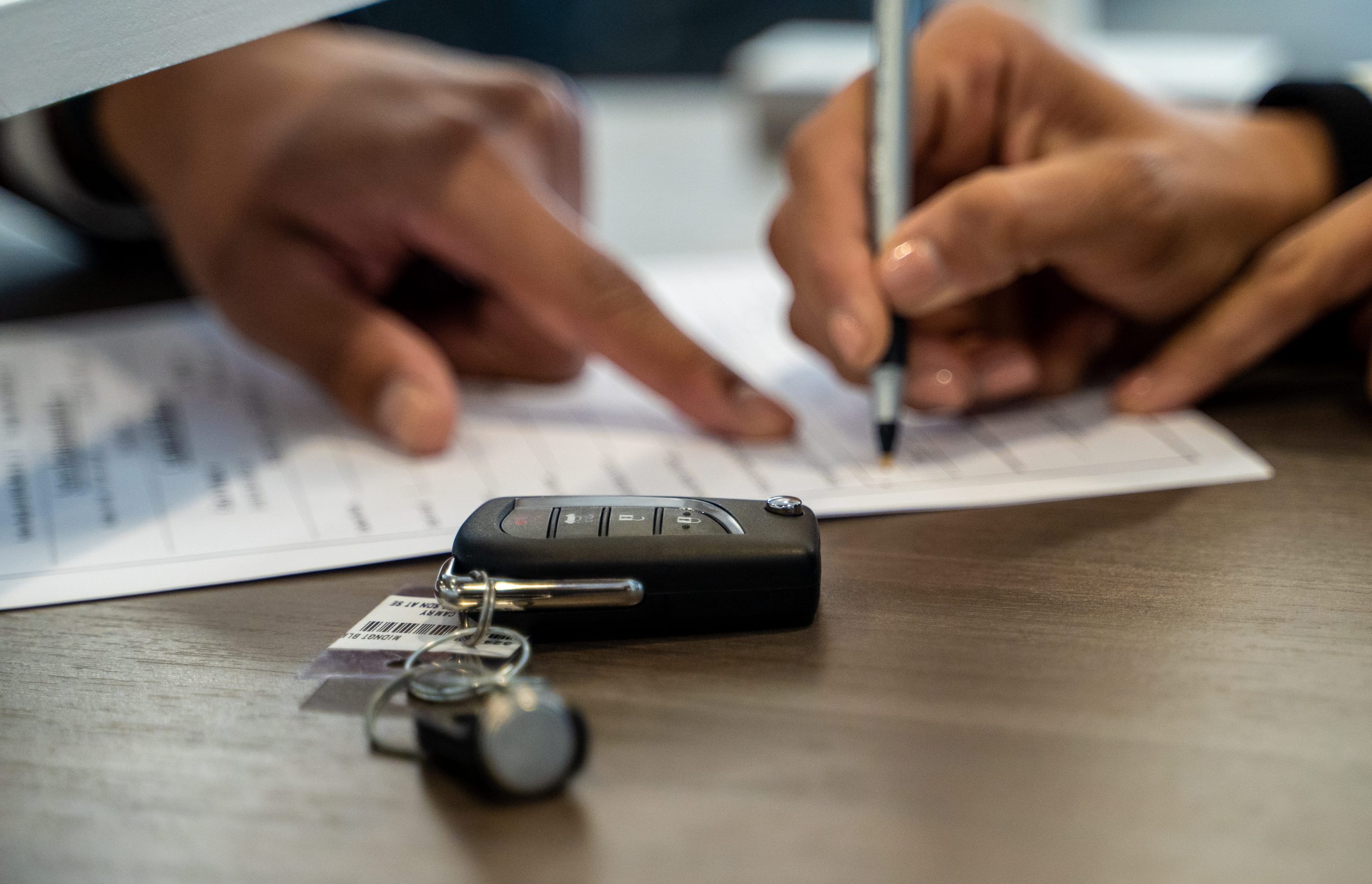
If you own—or are planning to purchase—a used car, understanding car insurance is not just helpful, it’s essential. Unlike brand-new vehicles, used cars come with unique considerations, and having the right insurance can save you from unexpected financial burdens while ensuring peace of mind behind the wheel. Whether you’re concerned about liability, theft, or finding the most affordable policy, navigating the world of used car insurance doesn’t have to be complicated.
This ultimate guide breaks down everything you need to know—from types of coverage and cost-saving strategies to selecting the best insurance provider. Whether you’re a first-time buyer or an experienced driver looking to optimize your policy, this article will help you make confident, informed decisions.
Ready to make smarter choices about your car insurance? Keep reading to unlock key insights and tips throughout the guide.
What Types of Car Insurance Coverage Do You Need for a Used Car?
Understanding Liability Coverage for Used Cars
Liability coverage is a fundamental component of any car insurance policy, especially for used car owners. This type of coverage protects you against claims made by other drivers in the event that you are at fault in a car accident. It typically includes bodily injury liability, which covers medical expenses for the other party, and property damage liability, which covers damage to the other person’s vehicle or property. As a responsible used car owner, having adequate liability insurance is crucial, as it can safeguard your finances from potentially devastating costs associated with car accidents.
The Importance of Collision Coverage
Collision coverage is another essential type of car insurance that all used car owners should consider. This coverage pays for damage to your car resulting from a collision with another vehicle or object, regardless of who is at fault. For owners of used vehicles, collision coverage can be particularly beneficial, as older cars may be more susceptible to damage. Understanding the level of coverage you require is critical; while some may opt for full coverage car insurance, others may choose to carry a higher deductible to lower their insurance premiums. Evaluating the value of your car in comparison to the cost of collision coverage can help you make an informed decision.
Do You Need Comprehensive Coverage for Your Used Vehicle?
Comprehensive coverage is designed to protect your vehicle from non-collision-related incidents, such as theft, vandalism, or natural disasters. While it is often associated with new cars, used car owners should also seriously consider this type of coverage. Comprehensive coverage provides an additional layer of financial protection, especially if you own a used vehicle that retains significant value. Assessing the risks associated with your used car and the potential cost of repairs or replacements can help determine whether comprehensive coverage is necessary for your specific situation.
How to Buy a Used Car and Choose the Right Insurance?
Steps to Buy a Used Car
Buying a used car involves several important steps that can influence both your purchase and the subsequent insurance coverage. Start by conducting thorough research to identify the type of car that meets your needs and budget. Once you have a shortlist, check the vehicle history reports to assess any previous accidents or damage. After selecting your ideal used vehicle, negotiate the price with the seller while considering the costs associated with car insurance. It’s advisable to obtain proof of insurance before finalizing the purchase to ensure that you are adequately covered from day one.
Factors to Consider When Choosing Car Insurance
When choosing car insurance for your used vehicle, several factors come into play. First, evaluate the type of coverage you need based on your driving habits and the value of your car. Additionally, consider your budget and how much you are willing to pay in insurance premiums. It’s also essential to look into the reputation of various insurance companies, as customer service and claims processing can significantly impact on your experience. Understanding the differences in insurance costs among different car insurance companies can help you make an informed decision that aligns with your financial goals.
What to Look for in a Car Insurance Policy
When assessing a car insurance policy, ensure that it offers adequate coverage for your needs. Look for policies that include liability, collision, and comprehensive coverage, and consider additional features such as uninsured motorist coverage. Pay close attention to the deductibles and coverage limits, as these factors will affect your out-of-pocket costs in the event of a claim. Comparing multiple car insurance quotes from different providers will give you a clearer understanding of the options available, allowing you to choose car insurance that offers the best value.
What Are the Average Car Insurance Costs for Used Vehicles?
Understanding Used Car Insurance Costs
The cost of car insurance for used vehicles can vary based on several factors, including the make and model of the car, your driving history, and the level of coverage you choose. On average, used car insurance costs tend to be lower than insurance for new cars, primarily because the value of older vehicles is generally less. However, it is essential to note that specific models may have higher insurance rates due to factors such as safety ratings and repair costs. Understanding these nuances can help you anticipate your insurance expenses more accurately.
How Do Insurance Rates Differ for Used Cars?
Insurance rates for used cars can differ significantly from those for new cars. Generally, used car insurance rates are influenced by the age of the vehicle, its resale value, and the likelihood of it being involved in car accidents. Older cars may attract lower premiums, but depending on the insurance provider, the type of car can also play a role; for instance, sports cars may have higher insurance rates due to the increased risk of accidents. By evaluating the unique characteristics of your used vehicle, you can gain insight into how these factors will influence your insurance rates.
Comparing Quotes from Different Insurance Companies
To secure the best car insurance rates for your used vehicle, it is crucial to compare quotes from various insurance companies. Each provider has its own methodology for determining premiums, which can result in significant differences in car insurance costs. Utilize online comparison tools to streamline the process and ensure you are reviewing multiple options. Furthermore, consider reaching out to insurance agents who can provide personalized quotes tailored to your specific situation. This diligence can lead to substantial savings on your car insurance policy.
What is Gap Insurance and Do You Need It for a Used Car?
Gap insurance is a specialized type of coverage designed to protect car owners from financial loss in the event their vehicle is totaled or stolen. It covers the difference between the amount you owe on your auto loan and the actual cash value of your car at the time of the accident. While gap insurance is often marketed to owners of new cars, it can also be relevant for certain used vehicles, particularly those that depreciate quickly or have been purchased with a loan. Understanding how gap insurance functions can help you determine whether it is a necessary addition to your insurance policy.
When Should You Consider Gap Insurance?
Considering gap insurance is particularly important if you finance your used vehicle or if you make a small down payment. In such cases, you may find yourself owing more on your loan than the vehicle is worth, putting you at risk of financial loss. Additionally, if your used car is a model that depreciates rapidly, having gap insurance can provide peace of mind. Evaluating your financial situation and the specifics of your car purchase can help you decide if gap insurance is a prudent choice for you.
How to Add Gap Insurance to Your Policy
Adding gap insurance to your existing car insurance policy is a straightforward process. Many insurance providers offer gap insurance as an optional add-on, so you can easily include it when you first purchase your policy or during a renewal period. Contact your insurance provider to inquire about the cost of adding gap insurance and any potential impacts on your overall insurance premiums. It is advisable to compare the gap insurance options available from different insurers to ensure you select the best coverage for your used car.
How to Find the Best Insurance Companies for Used Car Insurance?
Top Factors to Evaluate Insurance Providers
When searching for the best insurance companies for used car insurance, several key factors should be evaluated. Start by reviewing the financial stability of potential insurance providers, as this can indicate their ability to pay claims. Customer service ratings and claims handling processes are equally important, as you want an insurer that is responsive and efficient in managing claims. Additionally, consider the range of coverage options they offer and any discounts available for which you may qualify.
How to Compare Car Insurance Companies
To effectively compare car insurance companies, gather quotes from multiple providers and examine the specifics of their coverage options. Look for any exclusions or limitations that may impact your policy and assess the overall cost of insurance. Utilize online resources that provide side-by-side comparisons of insurance policies, making it easier to evaluate the differences in premiums and coverage. Don’t hesitate to reach out to customer service representatives for clarification on any questions you may have regarding their policies.
Reading Reviews for Insurance Companies
Reading reviews from current and former customers can provide valuable insights into an insurance company’s reputation. Look for feedback regarding customer service experiences, the claims process, and overall satisfaction with the coverage provided. Online review platforms and forums can be beneficial in gathering a broad range of opinions. By taking the time to investigate reviews, you can make a more informed decision when selecting an insurance provider for your used vehicle.
Conclusion: Make Smart Choices With the Right Car and Insurance
Securing the right insurance coverage for your used vehicle is just as important as finding the car itself. From liability and collision to comprehensive and gap insurance, understanding your options can help you drive with confidence and financial security. Whether you’re a first-time buyer or looking to upgrade your current ride, choosing a reliable dealership is key to starting your ownership journey on the right foot.
If you’re in the market for a high-quality used vehicle, Hyatt Cars of Lexington is your go-to destination. With a trusted selection of pre-owned vehicles and a team dedicated to customer satisfaction, they make it easy to find a car that suits your needs and budget. Pair your next purchase with the right insurance plan, and you’ll be well on your way to safe, smart, and stress-free driving.
Essential Tips for Debutan Car Buyers: A Complete Guide

Buying your first car is an exciting milestone that signifies independence and personal achievement. However, it can also be a complex process filled with choices and financial considerations. This comprehensive guide aims to equip first-time car buyers with essential tips and knowledge necessary for navigating the car-buying experience. From understanding credit scores to deciding between new or used vehicles, this article will provide valuable insights to ensure you make informed decisions.
What Should Debutant Car Buyers Know About Credit Scores?
How Does a Credit Score Affect Your Car Loan?
Your credit score plays a crucial role in determining the financing options available to you when you decide to buy a car. Lenders use your credit score to assess the risk of lending you money, which subsequently impacts the interest rate on your car loan. A higher credit score typically results in better interest rates, which can significantly lower your monthly car payment. Conversely, if you have a lower credit score, you may be subjected to higher interest rates, leading to increased overall costs over the loan term. As a first-time car buyer, it is essential to understand how your credit history can influence your ability to secure a favorable car loan from a dealership or credit union.
What is a Good Credit Score for First-Time Car Buyers?
How to Improve Your Credit Score Before Buying a Car?
Improving your credit score is a beneficial step for any first-time car buyer looking to secure a better financing deal. Start by paying off any outstanding debts, as reducing your overall debt load can positively impact your credit score. Additionally, ensuring that all your bills are paid on time contributes to a strong credit history. Limiting hard credit pulls and avoiding new credit inquiries before applying for an auto loan can also help maintain or improve your score. By taking these proactive measures, you can enhance your chances of getting preapproved for a car loan with more favorable terms.
Should You Buy a New or Used Car as a First-Time Car Buyer?
What Are the Pros and Cons of Buying a New Car?
When considering whether to buy a car, potential buyers often face the decision of choosing between a new or used vehicle. Purchasing a new car offers several advantages, such as the warranty coverage, the latest technology, and the assurance that the vehicle has not been previously owned or subjected to wear and tear. However, while buying a new car may provide peace of mind, it often comes at a premium price. New vehicles depreciate rapidly, and the initial investment can lead to owing more than the car is worth shortly after purchase. First-time car buyers should weigh these pros and cons carefully when making their decision.
What to Look for When Buying a Used Car?
Buying a used car can be a financially savvy choice for first-time car buyers. However, it is crucial to conduct thorough research and inspections before finalizing your purchase. When shopping for a used vehicle, consider checking the vehicle’s history report through services like Kelley Blue Book to uncover any past accidents, service records, or title issues. Additionally, be vigilant about inspecting the car for signs of wear and tear and taking it for a test drive to evaluate its performance. Understanding how much car you can afford based on your budget and financing options will also help you make an informed decision.
How to Decide Between New and Used for Your First Car?
Deciding whether to buy a new or used car involves analyzing various factors. Start by evaluating your budget and determining how much you can allocate towards a monthly car payment. If you have limited finances, a used vehicle may offer a more affordable option. However, if reliability and warranty coverage are your top priorities, investing in a brand-new car may be the better choice. Additionally, consider your long-term plans and how long you intend to keep the vehicle. By assessing your financial situation and personal preferences, you can make an informed choice that aligns with your needs as a first-time car buyer.
How to Get Preapproved for a Car Loan?
What is the Preapproval Process for First-Time Car Buyers?
The preapproval process is a vital step for first-time car buyers seeking to streamline their car shopping experience. To get pre-approved, you will need to apply with a lender, such as a bank or credit union, providing information about your financial situation, including your credit history, income, and employment status. The lender will perform a hard credit pull to evaluate your creditworthiness, and if approved, they will provide you with a letter indicating how much you can borrow. This preapproval letter not only helps you understand your budget but also shows dealers that you are a serious buyer, giving you leverage during negotiations.
How Does Pre Approval Impact Your Car Shopping Experience?
Having a preapproval letter in hand significantly enhances your car shopping experience as a first-time car buyer. It allows you to focus on vehicles within your budget and reduces the time spent on financing discussions at the dealership. Furthermore, pre approval can provide you with insights into the interest rates you qualify for, helping you to make informed decisions about car affordability. This knowledge can also alleviate some of the stress associated with car-buying, allowing you to concentrate on finding a vehicle that meets your needs and preferences.
Which Lenders Offer the Best Pre Approval Options?
When seeking preapproval for a car loan, explore various lenders to find the best options available. Many banks and credit unions offer competitive pre approved programs, often with favorable interest rates for first-time car buyers. Additionally, some dealerships may have partnerships with specific lenders, providing attractive financing options. It is advisable to shop around and compare the preapproval terms offered by different lenders, ensuring that you select the one that aligns with your financial goals and offers the best deal for your car purchase.
What to Expect During the Car Buying Process?
How Important is Test Driving a Vehicle?
Test driving a vehicle is an essential step in the car-buying process that should not be overlooked by first-time car buyers. A test drive allows you to assess the car’s performance, comfort, and features firsthand. Pay attention to how the car handles, the visibility, and any unusual noises during the drive. This experience will give you a clearer picture of whether the car meets your expectations and requirements. Remember that purchasing a car is a significant financial commitment, and ensuring that the vehicle feels right for you is imperative for long-term satisfaction.
What Questions Should You Ask at the Dealership?
When visiting a dealership, it is crucial to engage with the dealer by asking pertinent questions about the vehicle’s history, warranty, and financing options. Inquire about the price on the car, any additional fees, and whether there are any available incentives or discounts for first-time car buyers. Understanding the dealership’s return policy, maintenance services, and available financing options will also provide valuable insights. By asking the right questions, you can ensure that you are fully informed and can make the best decision regarding your car purchase.
How to Negotiate the Best Price as a First-Time Car Buyer?
Negotiating the price of a car can be intimidating for first-time buyers, but it is a crucial aspect of the car-buying process. Start by researching the fair market value of the car using resources like Kelley Blue Book, which can provide insights into what similar vehicles are selling for in your area. Armed with this information, approach the dealer with a reasonable offer based on your research. Be prepared to walk away if the price does not meet your budget or expectations. Demonstrating that you have done your homework can empower you in negotiations and potentially lead to significant savings on your car purchase.
How to Calculate Your Overall Cost of Buying a Car?
What Factors Determine Your Monthly Car Payment?
Understanding the factors that determine your monthly car payment is essential for first-time car buyers. Key elements include the loan amount, interest rate, and loan term. A lower interest rate can significantly reduce your monthly payment, while a longer loan term may result in lower payments but could increase the total cost of the loan due to accruing interest. Additionally, consider factors such as your down payment and trade-in value, which can directly impact the loan amount and, subsequently, your monthly car payment.
How to Estimate the Total Cost of Ownership for Your First Car?
Estimating the total cost of ownership for your first car involves evaluating various ongoing expenses beyond the initial purchase price. Be sure to account for insurance premiums, fuel costs, maintenance, and repair expenses, as well as potential taxes and registration fees. Understanding these car expenses will provide a comprehensive view of what you can expect to pay over the life of the vehicle, ensuring that you budget appropriately and avoid any financial surprises.
What Should You Consider When Budgeting for a Car Purchase?
When budgeting for a car purchase, first-time car buyers should consider both the upfront costs and the ongoing expenses associated with owning a vehicle. Establish how much you can afford for a down payment, and factor in the monthly car payment that fits within your budget. Additionally, consider the cost of insurance, which can vary based on the vehicle’s make and model, as well as your driving history. Further, keeping a buffer for unexpected repairs and maintenance will allow you to manage your finances effectively and ensure that your car remains an asset rather than a financial burden.
Conclusion
Buying your first car is an exciting but complex process that requires careful consideration. By understanding key factors like credit scores, loan pre approval, and whether to buy new or used, you can make a well-informed decision that aligns with your financial situation and personal needs. Additionally, taking the time to research, test drive, and negotiate ensures that you get the best value for your purchase, setting you up for a successful ownership experience.
For first-time car buyers looking for a trusted dealership with a wide selection of vehicles and expert guidance, Hyatt Cars of Lexington is an excellent choice. Their team is dedicated to helping you find the right car, secure competitive financing, and navigate the entire buying process with ease. Visit their website at Hyatt Cars of Lexington to explore their inventory and get started on your journey to owning your first car today.