
How Much Should You Spend on a Used Car? Budgeting to Buy a Used Car You Can Afford
Choosing how much to spend on a used car is one of the most important decisions for first-time car buyers and returning car buyers alike. A realistic budget, a clear financing plan, and an understanding of ownership costs will help you avoid common pitfalls. This beginner’s guide will walk you through how much you can afford, financing options, and the additional costs every car buyer should plan for.
How do I calculate a realistic budget for a used car purchase?
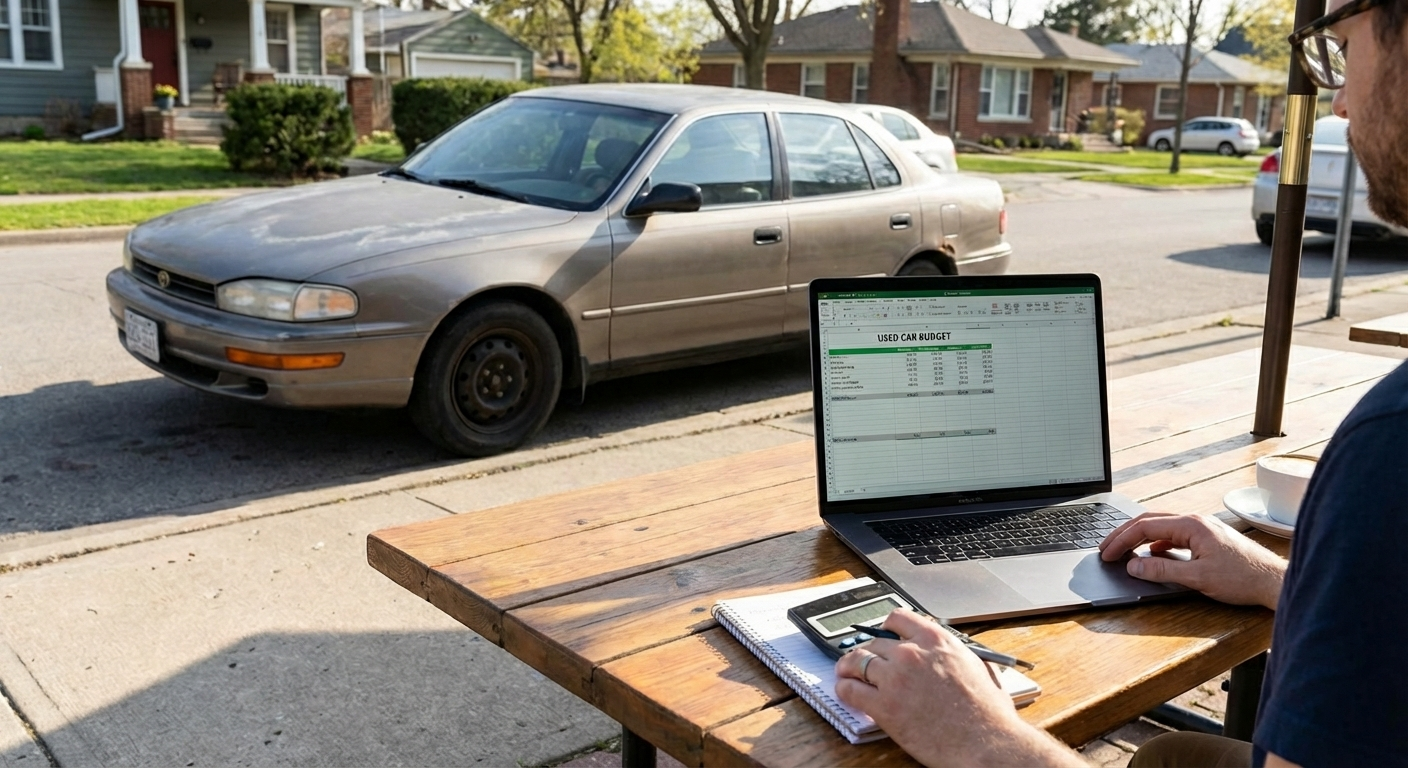
Start by calculating your take-home pay and creating a list of monthly car expenses. Many financial experts suggest following the 15% rule—spending no more than 15% of your take-home pay on car payments—or the 20% rule (including insurance and fuel). Calculate how much you can comfortably spend by subtracting rent, utilities, savings goals, and existing debt from your monthly income to arrive at a realistic monthly car budget.
Next, convert your monthly budget into a purchase price based on likely financing options and the loan term. Use online auto loan calculators to estimate monthly loan payments given different interest rates and loan terms. Remember to include down payment scenarios—higher down payments lower your monthly payment and overall interest cost, making it easier to find vehicles that fit your budget.
What financing options should first-time buyers explore when buying a used car?
First-time car buyers should compare financing options such as bank loans, credit unions, dealership financing, and online lenders. Credit unions often offer competitive interest rates for used car loans and may be more flexible for buyers building credit. Dealerships can present attractive offers, but compare the total cost, including the sticker price and interest rate, to find the best deal.
When evaluating financing, focus on the interest rate, loan term, and monthly payment. A longer loan term reduces monthly payment but increases total interest paid. Aim to find a balance that keeps your monthly payment manageable while minimizing total cost. Pre-approval from a lender gives you stronger negotiating power at the dealership and helps you shop with a firm used car budget.
How much should my monthly payment be for a used car?
Monthly car payment guidance depends on monthly income and overall budget. A common guideline is to limit your monthly car payment to about 10–15% of your take-home income. If you plan to include insurance, maintenance and repairs, and fuel in the monthly budget, you may prefer keeping the payment closer to 10% to avoid stretching your finances.
To estimate a monthly payment, plug the purchase price minus down payment into a loan calculator with expected interest rate and loan term. For example, a $12,000 used car with a $2,000 down payment financed over 48 months at a modest interest rate results in a monthly payment that should align with most realistic used car budgets for first-time buyers.
How much do additional costs like maintenance and repairs factor into a used car budget?
Maintenance and repairs are crucial ownership costs that many buyers overlook. Older used vehicles typically require more frequent maintenance and may need repairs sooner. Budget for regular services like oil changes, brake pads, tire rotation, and unexpected repairs. A good rule of thumb is to set aside 1–2% of the vehicle’s value annually for maintenance and repairs.
Factor in costs such as fuel efficiency differences, annual inspection fees, and potential part replacements. Vehicles that fit your budget should also match your maintenance tolerance—reliable models with lower ownership costs may cost more up front but save money over time. Consider a pre-purchase inspection to estimate likely repair needs and include those estimates when assessing how much to spend on a used car.
How does my credit score affect the interest rate and total cost of a used car loan?
Your credit score has a major impact on the interest rate you’ll qualify for and therefore the total cost of your used car purchase. Higher credit scores typically secure lower interest rates for car loans. First-time buyers with limited credit history may see higher rates, increasing monthly payments and the total interest paid over the loan term.
If your credit score is lower than you’d like, consider improving it before financing: reduce credit card balances, correct errors on your credit report, and establish positive payment history. Alternatively, a larger down payment or a co-signer can lower risk for lenders and help you access better rates. Compare offers from dealerships, banks, and credit unions to find the most competitive used car loan rate for your credit profile.
Should I buy from a dealership or a private seller to fit my used car budget?
Buying from a dealership versus a private seller depends on priorities like warranty, finance options, and price. Dealerships often offer certified pre-owned vehicles, financing, and a level of consumer protection—useful if you want financing options and some peace of mind. Private sellers typically sell at lower prices, which can stretch your budget further, but you’ll likely take the car as-is.
Shop around at both dealerships and private sellers. If you plan to finance at the dealership, compare their finance offers to pre-approved loans from banks or credit unions. If buying from a private seller, bring a mechanic to inspect the vehicle and ensure you’ve budgeted for any immediate repairs. A smart car buyer balances total cost, convenience, and risk tolerance to find the best deal.
How can I find vehicles that fit my budget and avoid overspending?
Start by making a list of must-have features and non-negotiables, then search for models known for reliability and reasonable maintenance costs. Use online marketplaces to filter by price, year, mileage, and vehicle history. Create alerts for vehicles within your target price range to act quickly when a good option appears.
Negotiate based on research—know the vehicle’s market value, typical repair costs, and what similar vehicles are selling for in your area. Bring financing pre-approval and be prepared to walk away if terms don’t match your used car budget. Prioritize total cost of ownership over sticker price to avoid buying a cheap car that becomes expensive due to repairs and poor fuel efficiency.
How should I handle trade-ins, down payments, and negotiating the purchase price?
Decide whether a trade-in helps your used car budget. Trading in your current vehicle can reduce the purchase price or down payment required, lowering your monthly payment. However, dealerships may give less for a trade-in than private sale value. Evaluate both options to determine which improves your financial position more.
Making a larger down payment can lower your monthly payments and reduce the total interest you pay. Aim for at least 10–20% down if possible; this improves the chances of favorable financing and may prevent being upside down on an auto loan. When negotiating, separate the price negotiation from financing and trade-in discussions to keep clarity on total cost and avoid hidden markups from dealership financing offers.
How long should my loan term be when I finance a used car?
Loan term affects monthly payment and total interest. Shorter terms (36–48 months) keep total interest lower but increase monthly payments. Longer terms (60–72 months or more) reduce monthly payments but increase the total interest and the risk of being underwater on the loan. Choose the shortest term you can afford without straining your monthly budget.
Consider the vehicle’s age and expected lifespan when choosing a term: a longer loan on an older used car increases the chance you’ll owe more than the car is worth while it may require repairs. Balance monthly income, interest rate, and the car’s reliability to select a loan term that fits your overall car budget and financial goals.
How do I plan for insurance, registration, and other ownership costs in my used car budget?
Insurance, registration, taxes, and fuel are ongoing ownership costs that should be included in your budget. Obtain insurance quotes before buying to understand how a specific model will affect premiums. Factors like age, driving record, and vehicle safety ratings influence insurance rates for first-time buyers and experienced drivers alike.
Create a complete ownership-cost estimate that includes monthly fuel costs, routine maintenance, insurance, registration, and an emergency repair fund. This holistic view helps determine how much you can afford to spend on a used car while still covering other financial responsibilities. Vehicles with better fuel efficiency and reliability can significantly lower long-term ownership costs.
What steps should first-time buyers take to protect themselves when buying a used car?
Protect yourself with a thorough vehicle history report, a professional inspection, and test drives under real-world conditions. Review maintenance records, check for accident history, and verify the VIN. For used car loans, read all financing documents carefully and ensure you understand the interest rate, loan term, monthly payment, and any fees charged by the lender or dealership.
Consider warranties or service contracts for added protection, especially for higher-mileage vehicles. If purchasing from a dealership, check what services or limited warranties are included. For private sales, factor in the potential need for immediate repairs and the cost to register and insure the vehicle. A cautious, documented approach reduces risk and aligns your purchase with a realistic used car budget.
How can I find the best deals and timing when shopping for a used car?
Timing your purchase—end of the month, quarter, or year—can increase leverage with dealerships aiming to meet sales targets. Shop around online, compare prices, and use price history tools to determine if a listing is competitive. Seasonal considerations, model-year changes, and new-car incentives can also affect used car prices.
Look for certified pre-owned programs and dealer specials that include maintenance perks or reduced financing. Prioritize vehicles with documented maintenance and service histories, and don’t rush—set alerts, be patient, and be prepared to walk away to find the best value within your used car budget.
Summary: Key takeaways for budgeting and buying a used car
- Calculate a realistic car budget based on take-home pay, debt, and savings goals—aim for monthly payments within 10–15% of take-home pay.
- Compare financing options—credit unions, banks, and dealerships—to find the best interest rate and loan term for your credit score.
- Include ownership costs like insurance, maintenance and repairs, fuel, registration, and taxes when deciding how much to spend.
- Prefer a larger down payment to lower monthly payments and total interest; avoid long loan terms that increase total cost.
- Inspect vehicles, check history reports, and consider certified pre-owned options for added protection.
- Negotiate price, separate trade-in and financing discussions, and shop around dealerships and private sellers to find the best deal.
If you’re ready to shop for a reliable pre-owned vehicle, local dealerships like Hyatt Cars of Lexington can help you explore financing options, compare used car loans, and find vehicles that fit your budget. As a reputable Used Car Dealer in Lexington, SC, Hyatt Cars of Lexington offers inventory and guidance for first-time car buyers looking to finance a used car, understand much they can afford, and manage ownership costs including maintenance and repairs. Whether you’re a first-time buyer or a returning car buyer, planning a realistic budget, checking your credit score, and researching financing options will put you in control of your used car purchase and long-term car ownership costs.